
From ‘No’ to Putin to Silence on Iran: Europe’s Energy Double Standard
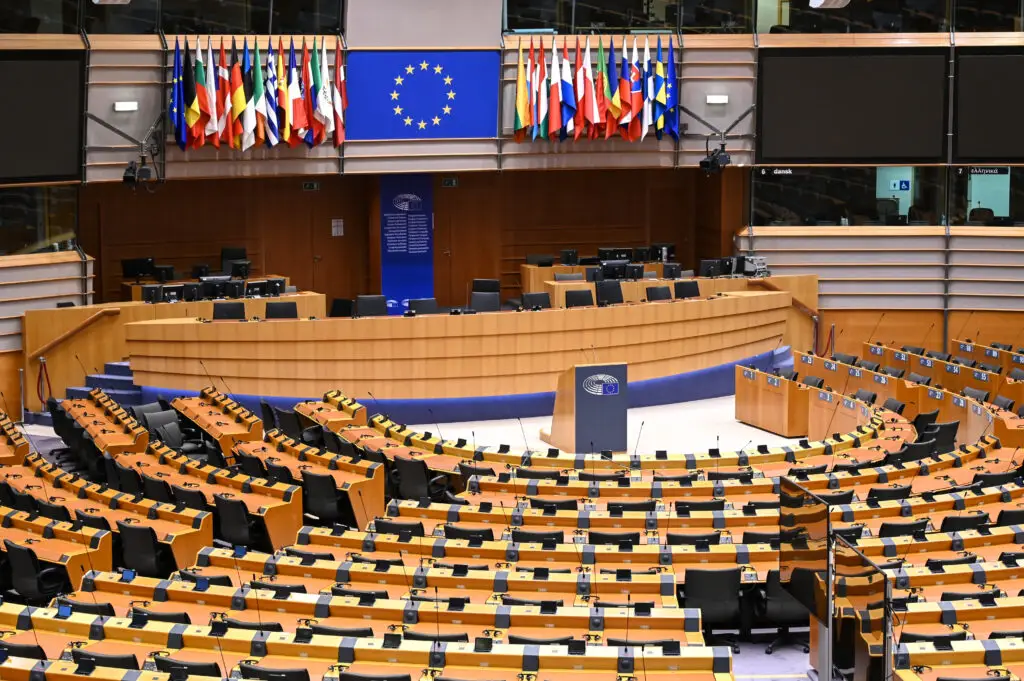
Europe now knows what it feels like to be dependent—and is experiencing firsthand what other countries have gone through for decades under European policies, markets, and credit regimes. Since the war against Iran began, the continent has suddenly been living what it previously only knew from reports about the Global South: powerlessness, dependence, a lack of […]
If Wealth Defines a Nation, Why Is Sudan Still Poor?
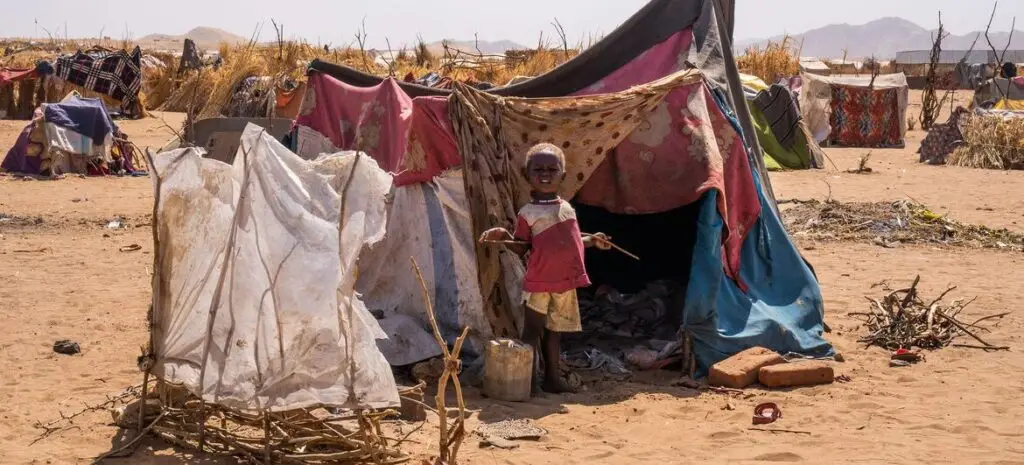
The world extracts Sudan’s gold at bargain prices instead of helping the country build an economy on its own gold, land, and oil—and then sends back just enough humanitarian aid to keep people alive in a war that this very gold helps to finance An estimated 150,000 people are dead in a country with enormous agricultural, gold, and oil […]
Germany says, “Not our war” – and backs it anyway
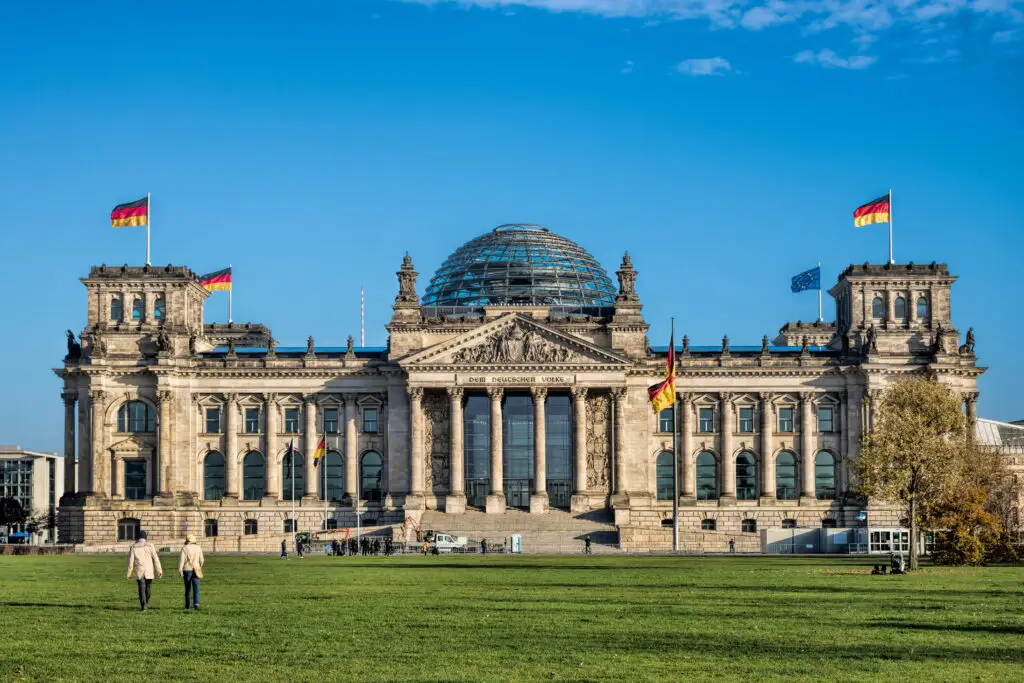
On the 18th day of the war, Germany is saying no to sending its own troops to the Gulf—but not no to the war itself. The German government insists this conflict is “not our war” and “not NATO’s war” and refuses any direct military deployment, yet politically aligns itself with this very war and with […]
Spain’s New Model Against War and the Migration Crisis

Spain has become a clear outlier in Europe: a country that says no to war and veto power, and yes to rights for people without papers who are already living on its territory. At the same time, Spain is positioning itself as a possible model for a new era beyond veto privileges, war‑driven politics, and a “Fortress Europe” approach […]
The UN says Iran must not “hold the world hostage.” But who built the hostage‑taking system?
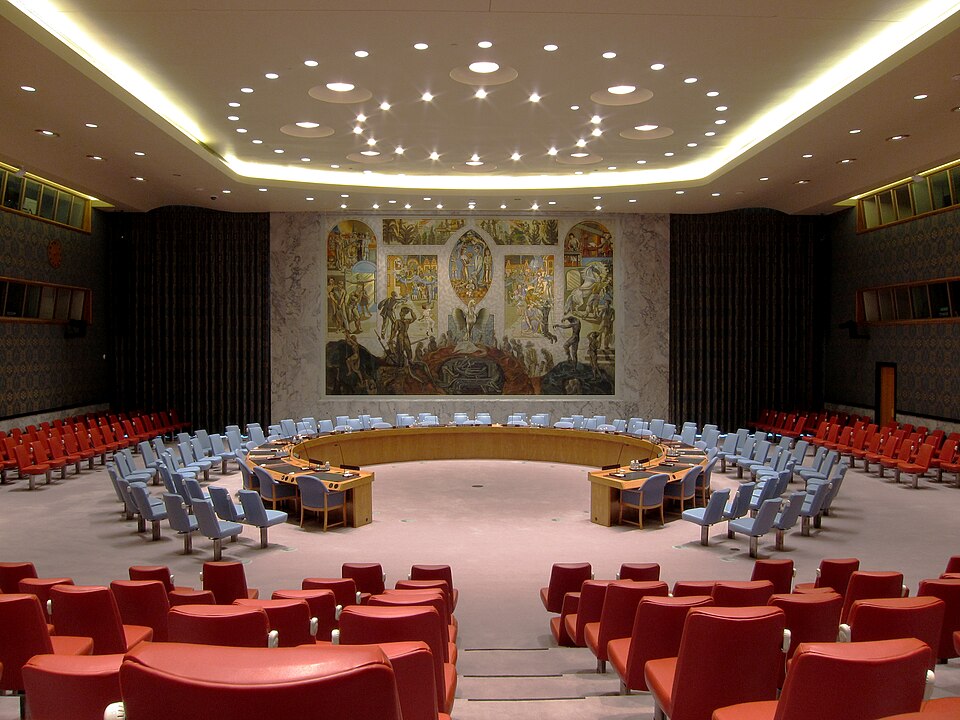
Since 28 February, when joint US‑Israeli airstrikes hit targets across Iran and Tehran responded with missile and drone attacks on US bases and regional states, the UN Security Council has been in almost permanent crisis mode. UN Secretary‑General António Guterres warned that the escalation risked “igniting a chain of events that nobody can control in the […]
Strait of Hormuz: Who gave a few states the right to hold the world hostage?
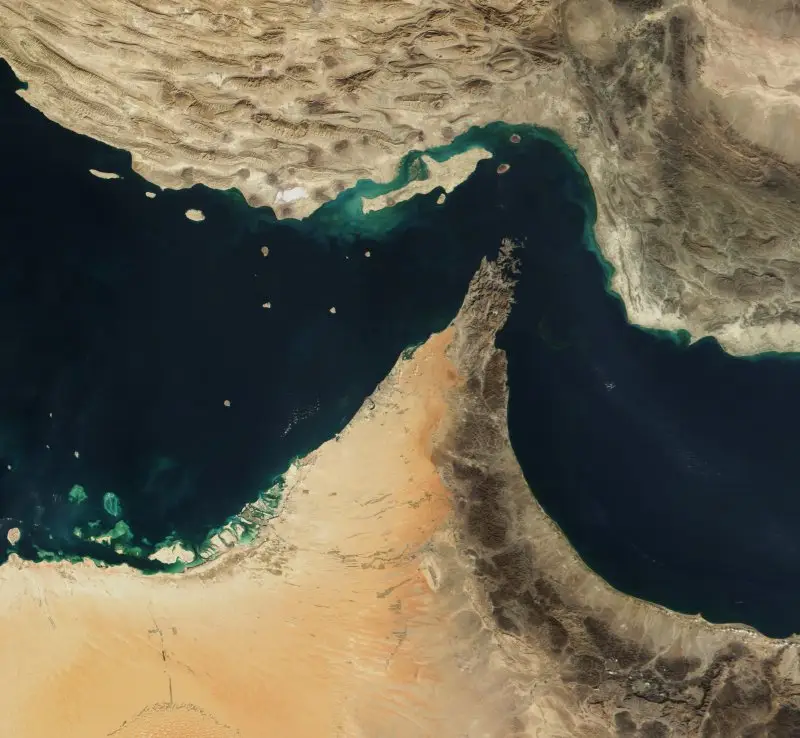
The United States feels the Iran war at the gas pump like everyone else—the global oil price knows no borders. But higher prices are only the first step toward scarcity. When it comes to real shortages, the US is in a far better position than most. Europe and large parts of Asia rely directly on oil […]
Equalism: Why Equal Rights Without Equal Power Always Fail

A quiet awakening is moving through the world: societies are beginning to see that without equal power, no rights can endure. Marx was wrong to believe that people become equal once they all have the same amount of capital. Capitalism is just as wrong when it claims that people are equal because they stand equal […]
A World Learning to Say No: Why Article 27 of the UN Charter Must Fall

A quiet awakening is moving through the world. From Tehran to Madrid, Berlin and Riyadh, governments and societies are discovering that they can say no to roles written for them by others. Iran is saying no to a two‑tier nuclear order. Spain is saying no to turning its territory into a launchpad. Key Gulf allies are saying […]
When Power Overrides Law: The Iran War 2026 and the Collapse of the Post‑1945 World Order
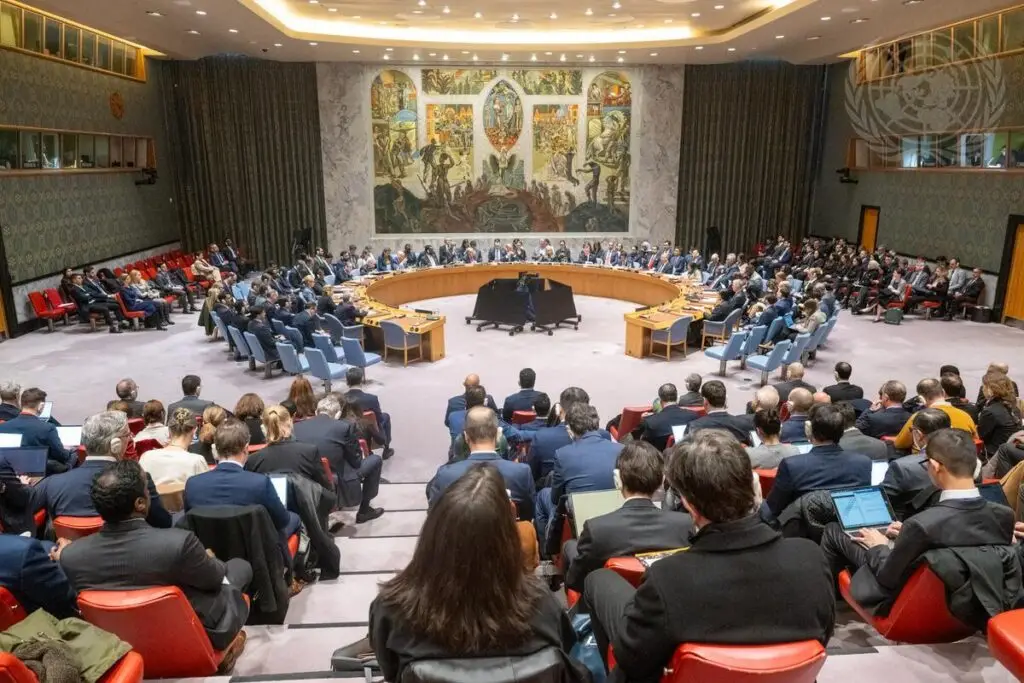
The Iran War 2026 reveals that the abolition of Article 27 of the UN Charter is no longer optional. The veto is not a tool of stability, but of hierarchy. The only way to restore the authority of international law is to abolish the veto and replace it with the principle of Equalism: all states shall hold equal decision‑making power in the Security Council, and resolutions must be adopted by qualified majority, without veto.
When “Justice” Becomes a Weapon: US–Israel Strikes on Iran 2026 and Escalation Under Trump—and How to End the Endless Vengeance Spiral

Day 4 URGENT: US-Israel Iran war kills 787+, hits Tehran/Beirut, and threatens Hormuz. Trump’s “4‑week victory” vs. proven mathematical spiral—complete roadmap to stop catastrophe.
From Mossadegh (1953) to Khamenei (2026): Two Overthrows, One Geopolitical Pattern

On February 28, 2026, Iran’s Supreme LeaderAli Khamenei was killed in one of the largest U.S.–Israeli strikes in decades. Both governments stated that Khamenei was “almost certainly dead,” and Israeli Prime Minister Benjamin Netanyahu was shown a photograph of his recovered body. According to the Wall Street Journal, as cited by The Times of Israel, around […]
If Tehran Had Disarmed, It Would Now Be the Ukraine of the Middle East—and Would Be Begging Others for Weapons, Just as Ukraine Does

On the morning of February 28, 2026, Tehran was shaken by explosions. The war had begun. Israel carried out a large‑scale preemptive strike on Iranian targets, including facilities near the offices of Ayatollah Ali Khamenei. According to Reuters, the operation had been planned for months, coordinated closely with the United States, and its launch date was […]
Sovereignty Is Non‑Negotiable: The Next War Was Built Into Geneva 2026
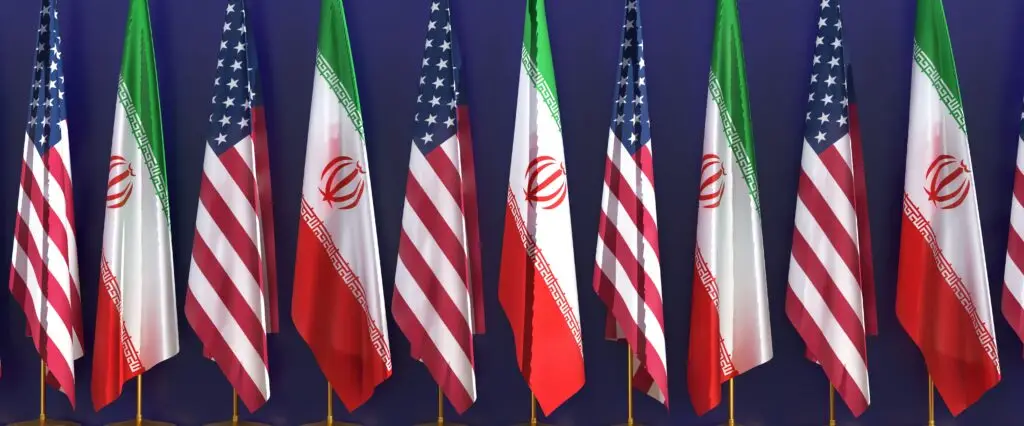
When negotiations are forced, as they are today in Geneva between the United States and Iran, peace is already lost. Even a compromise reached today would only hold until the next escalation, because power never tolerates a lasting balance—and a compromise that is forced is no compromise at all. Peace does not come from negotiations. It emerges only when power stops interfering—when one side […]
The real crisis behind the Trump tariffs: the power inequality shaping the global order
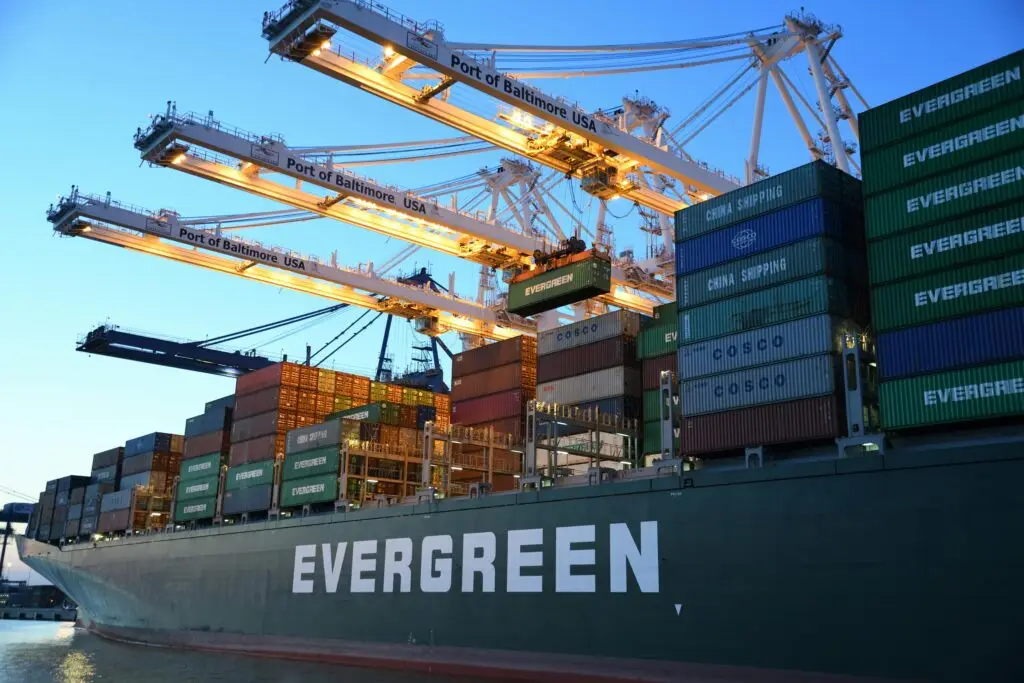
World leaders respond with concern to Trump’s decision to raise global tariffs from 10% to 15%. But concern and appeals to stability are not a strategy. The world still refuses to confront the simple truth: power inequality is the root of instability, conflict, and economic coercion. Trump’s move exposes a structural weakness that reaches far beyond the […]
How IKK Classic Artificially Created the Insolvency Estate’s Mass Deficiency
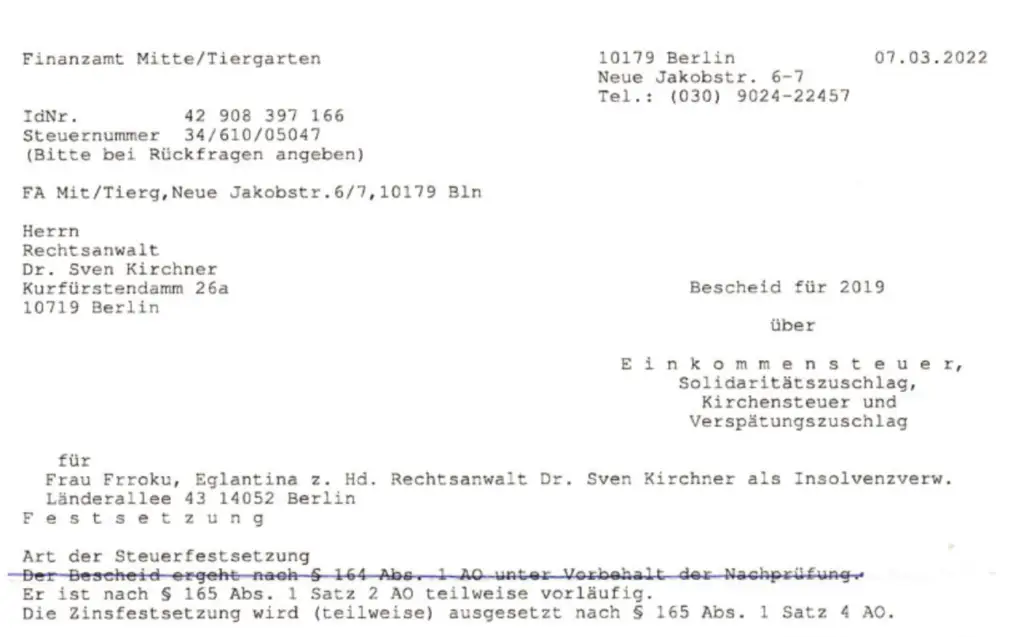
The following article demonstrates, step by step, how IKK Classic not only enabled but actively created and maintained the artificial mass deficiency. All quotations come from letters issued by the insolvency administrator and the tax office—documents that IKK Classic also received. This proves that the defendant acted with full knowledge of the situation. The Tax […]
Introduction to the Statement of Claim
The German social state obligates its institutions to protect the economic existence, health, and dignity of individuals. When a statutory health insurance fund violates these fundamental principles, it becomes both legitimate and necessary to document its administrative actions publicly. Social courts are public courts, and their files must be transparent and comprehensible. On May 4, 2025, […]
The German Social State on Trial

A real‑time record of the German health insurer lawsuit (Case S 71 KR 2202⁄24) before the Social Court of Berlin. This timeline documents only verified procedural actions: filings, court notices, insurer responses, and judicial steps. Why This Timeline Is PublicAfter gaining access to the administrative file, the plaintiff discovered missing documents, incomplete notes, and absent medical records. […]
The Two Faces of Trump’s “Peace”: Gaza as Stage, Iran as Target
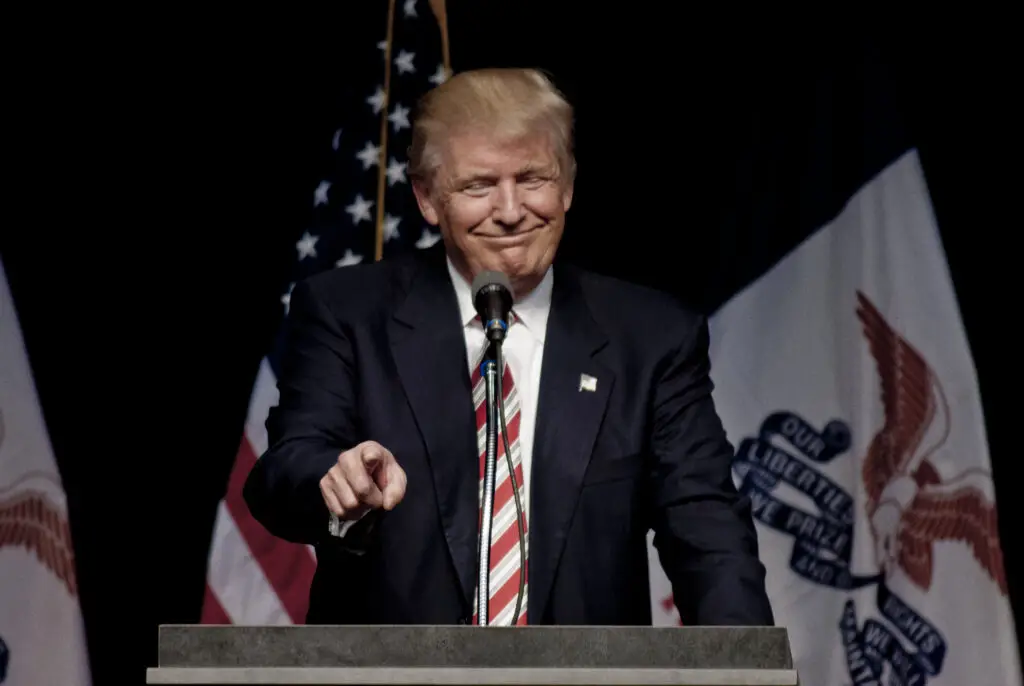
Earlier today, Donald Trump presented the first meeting of his newly created “Board of Peace” in Washington. It was a carefully staged event designed to project the image of a United States reshaping global order. Trump spoke of responsibility cooperation and announced more than $7 billion in humanitarian and reconstruction aid for Gaza. Only hours later, however, […]
When Secrecy Becomes a Weapon: How Closed Files Enable Abuse and Protect Power
If Prince Andrew had known from the very beginning that every file, every meeting, and every interaction would one day be publicly accessible, would he ever have stepped into Jeffrey Epstein’s orbit at all? When files are open from the start, the space for abuse, hidden networks, and future victims collapses. Instead, secrecy prevailed—and now, […]
Bolton’s Warning Reveals the Logic Behind U.S.–Iran Diplomacy: Negotiation as a Mechanism of Strategic Constraint

In a recent CNN interview, former national security adviser John Bolton remarked that Donald Trump “may strike Iran,” adding that “no decision is final.” At first glance, this sounds like the familiar ambiguity of American foreign policy messaging—a way to keep options open, to avoid committing to a single course of action, and to maintain strategic flexibility. But Bolton’s phrasing does […]
Power Is Not Diplomacy—It’s the Normalization of Coercion
When the United States pressures Iran to limit its nuclear program while simultaneously expanding its military presence in the region, this is not a negotiation between equals—it is an attempt to prevent a state from building the deterrence that would make it politically independent. History shows that the absence of deterrence does not lead to peace, but […]
Even if the Geneva talks continue, they are not peace negotiations
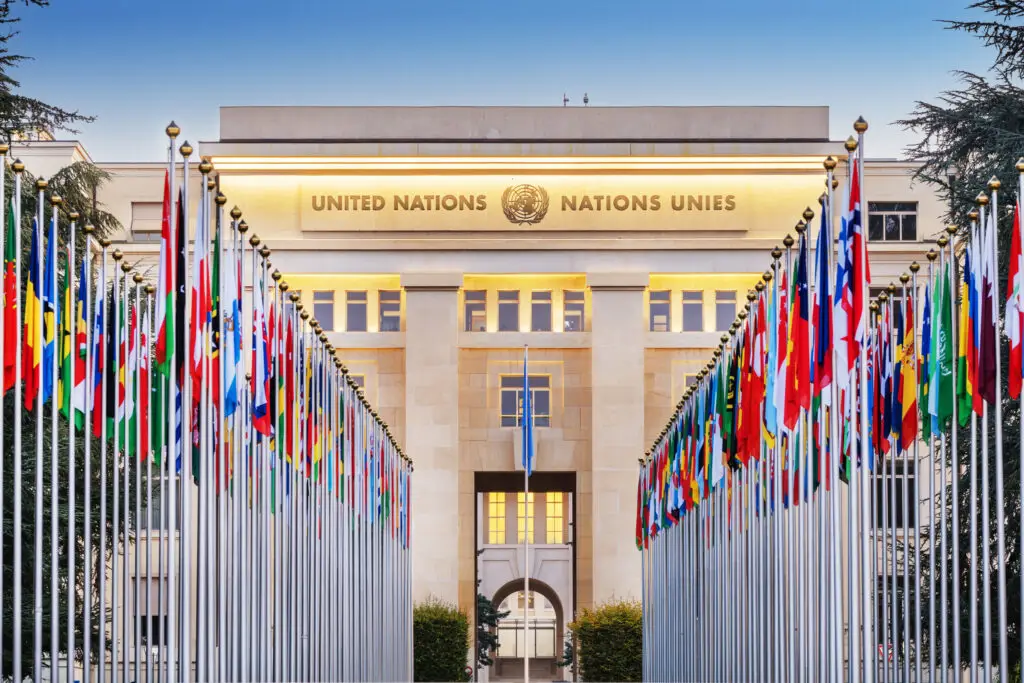
When Ukraine is pressured by the United States to cede territory because Russia demands the full withdrawal of Ukrainian forces from the Donbas—including the 20 percent of Donetsk that Russia never managed to capture—this is not a peace negotiation but the preparation of a capitulation. The talks that began in Geneva on Tuesday and were officially intended […]
The Machinery of Invisibility: What Pam Bondi’s Hearing Reveals About Power, Silence, and Accountability

The Epstein case would never have grown into a global scandal had transparency prevailed from the beginning. If the files had been open during the earliest investigations, many of the later crimes could have been prevented. People engage in such conduct only when they believe they are shielded—by networks, by silence, by institutions that look away. […]
The Epstein Files and the Architecture of Selective Transparency
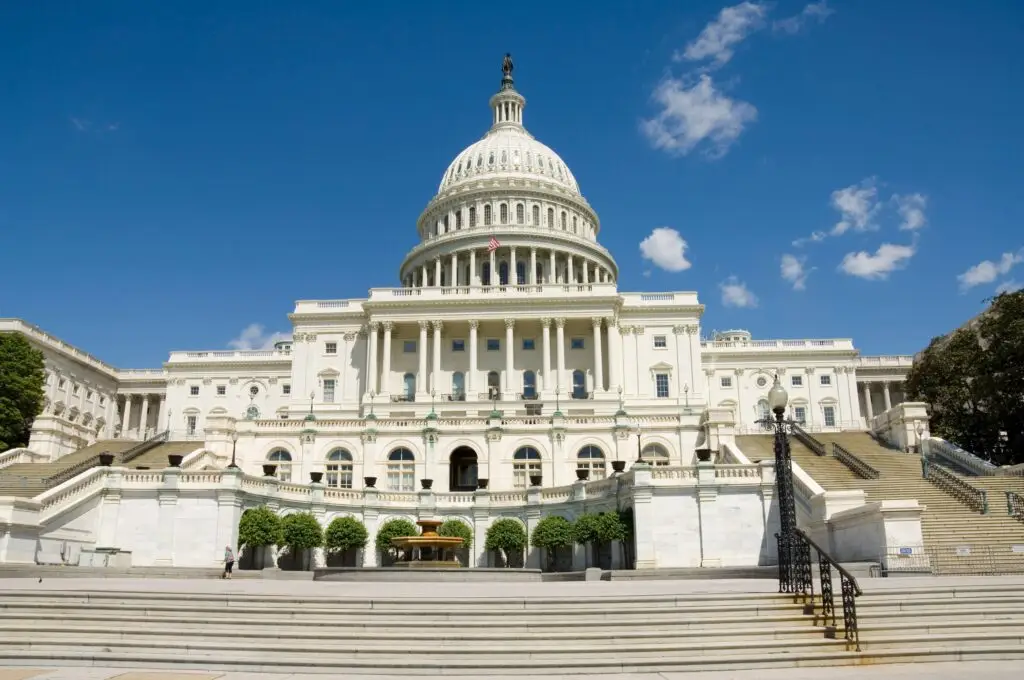
The recent hearing before the U.S. House Judiciary Committee made the structural failures surrounding the handling of the Epstein files more visible than any previous disclosure. Lawmakers from both parties criticized Attorney General Pam Bondi for releasing only partially redacted documents despite a statutory obligation to provide broader transparency, and for missing the deadline for full […]
Germany’s welfare state doesn’t need reform—it needs detoxification

In the United States, right‑wing politics becomes visible through explicit government decisions. Germany reveals a different pattern: for years, the welfare state has tightened migration policy from within—without a right‑wing government in power. It no longer functions as a protective system but as a mechanism of filtering and exclusion. The documents I examined show that this internal drift has produced secret decisions for […]
The Cycle of Fear: Iran’s Uranium as a Symptom—and Why Disarmament by the Great Powers Remains the Only Path to Peace
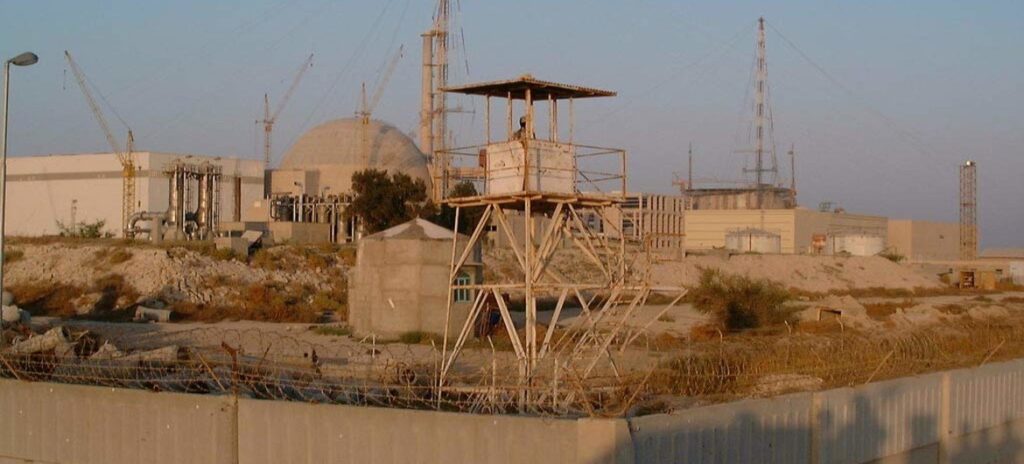
Iran’s centrifuges spin not out of ambition but out of fear. This fear grows from decades of isolation and sanctions and from the memory of governments that collapsed when they had no protection. The world sees uranium. Iran sees survival. And this difference in perception lies at the center of the Iran nuclear program and […]
No Borders for the United States in the World – but Borders for the World at the United States
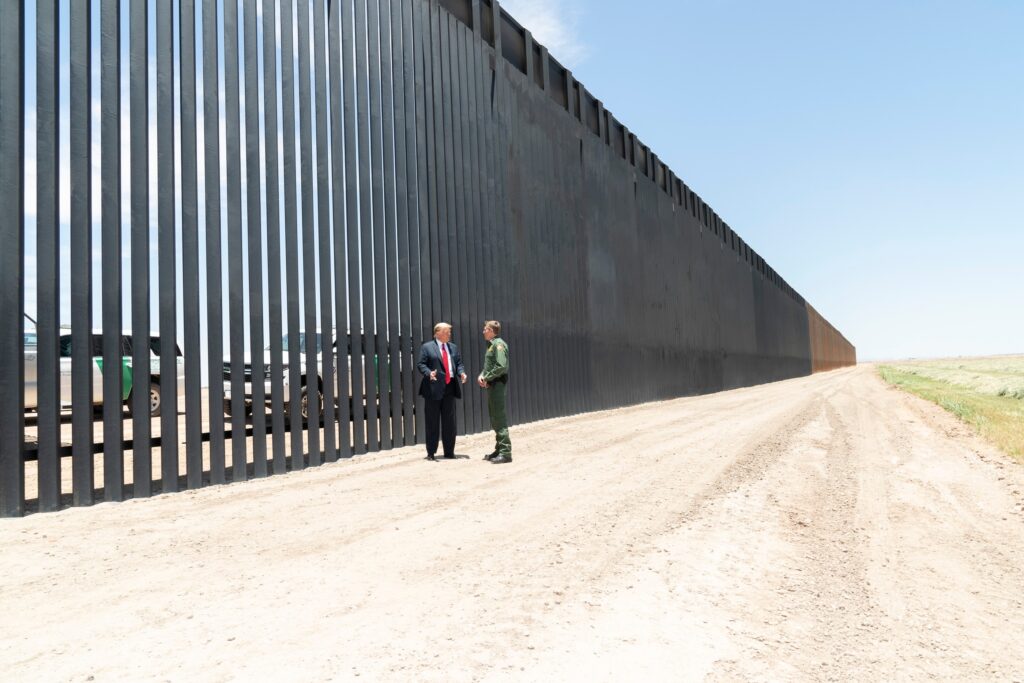
For the United States, national borders seem to matter little when political influence, economic interests, or geopolitical strategies are at stake. For the people pushed into migration by these very interventions, however, borders become inescapably real—first at the frontier, then inside the country itself. Because no international authority exists to regulate or restrain such cross‑border […]