Global Power Structures
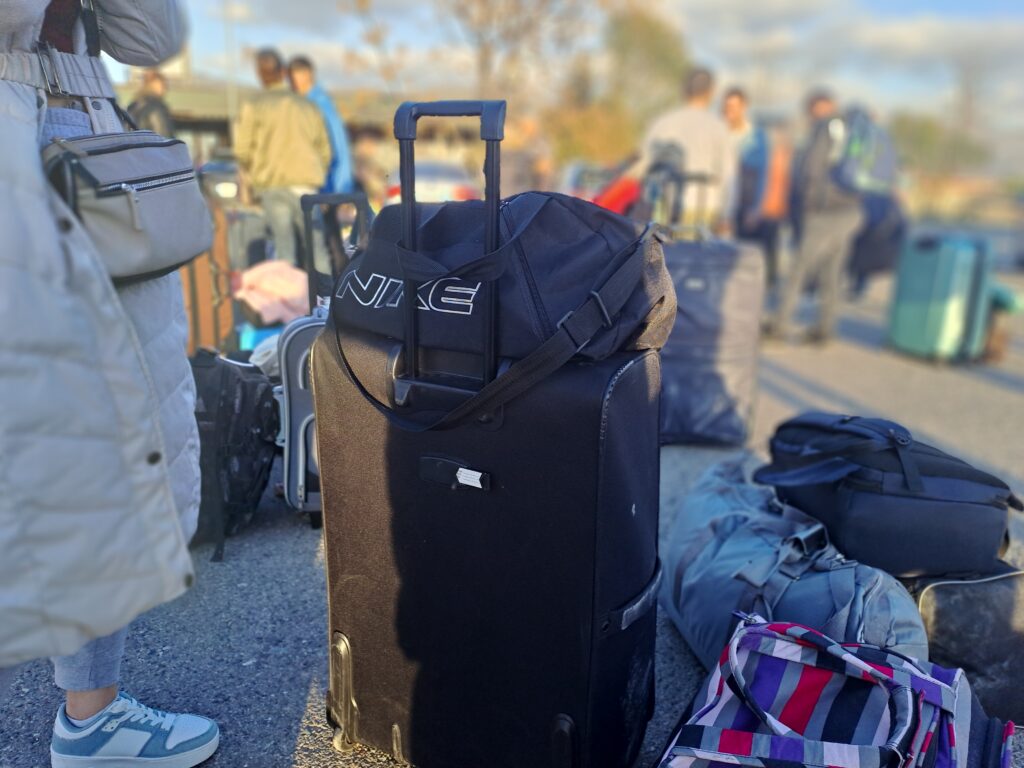
International foundations and Western actors have significantly shaped Albania’s political development since the 1990s, supporting certain reform forces while giving far less backing to others.
A Country Emptied Before It Was Freed
Since the first wave of departures in the summer of 1990, Albania has entered an unstoppable process of demographic emptying. That wave was not an isolated episode, but the moment it became clear that the country was not opening—it was being abandoned. A society that longed for freedom found it not in its new institutions but in the borders it had to cross in order to escape. Since then, Albania has remained an uprooted country, one that built a political façade and called it democracy simply because it had many governments and many parties. But democracy is not the multiplication of parties; democracy is the real power of the people to govern themselves.
1990: A Democracy That Began With Exit, Not With Elections
The official narrative claims that Albanian democracy began in December 1990 with the student movement. But the truth is harsher and deeper: it began months earlier, in the summer of 1990, when thousands of Albanians stormed foreign embassies in Tirana—an event widely documented in international archives (Embassy Events 1990).
This was the first political act of the people after decades of dictatorship—and that act was leaving. Before elections, before pluralism, before parties, before speeches, before promises. The people voted with their feet. And this was the first signal that Albania was not opening—it was emptying.
This moment was not simply an escape. It was a silent referendum against the system. It was the foundational act of a people seeking freedom but finding it only outside their own borders.
Thirty-Five Years Later: An Emptied Nation
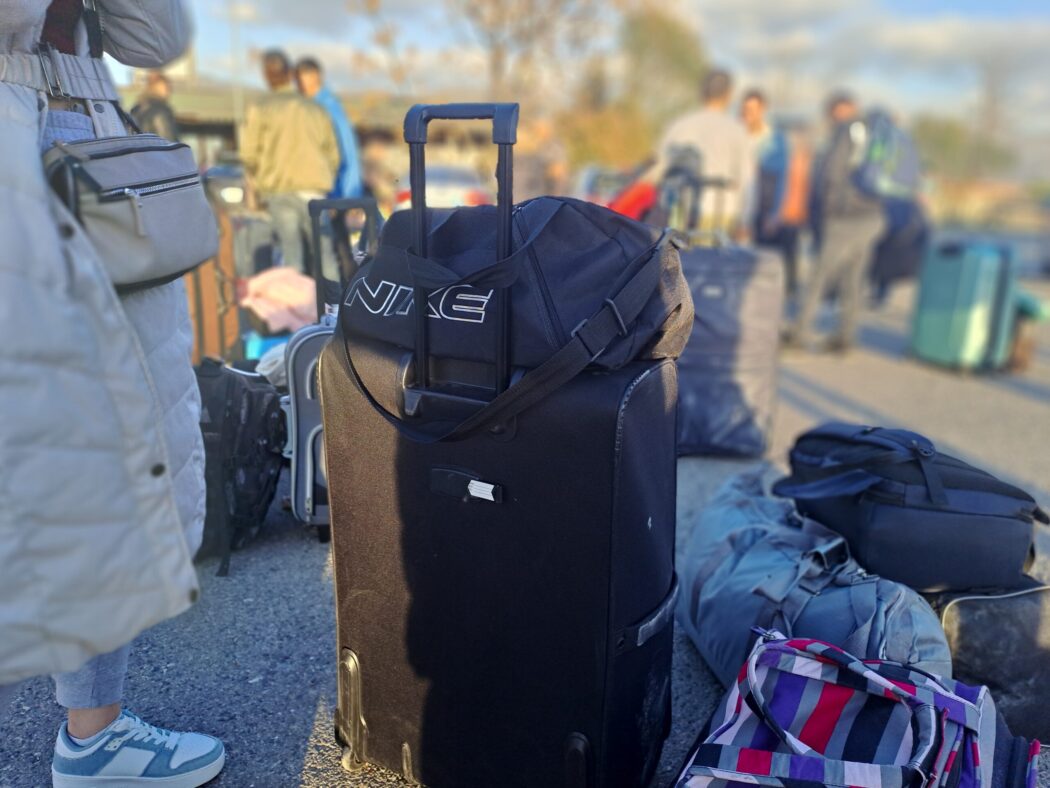
Today, more than half of Albania’s population lives abroad. The International Labour Organization (ILO) estimates that 25% of the country’s entire workforce is outside the country. The World Migration Report (IOM) confirms that mass emigration severely harms countries of origin.
This is not a statistic. It is a diagnosis. It is the strongest possible evidence that the political system has failed. A country that loses its people loses its human, economic, cultural, and political capital. A state that cannot protect its citizens loses its legitimacy. A democracy sustained only by the exhaustion of its people is not a democracy—it is an illusion collapsing in slow motion.
A Political Façade: Many Parties, Little Democracy
Albania has many parties, many elections, and many governments. But democracy is not measured by numbers. It is measured by a single question: do the people govern?
In Albania, the parties have survived. The people have left. This is the clearest proof that democracy has become a façade.
Corruption as a System: The Data Speaks Clearly
Transparency International ranks Albania among the most corrupt countries in Europe, placing it 101st out of 180 states in the 2023 Corruption Perceptions Index (CPI 2023). The European Commission reports chronic stagnation in justice and public administration in its annual progress reports. The Balkans Investigative Reporting Network (BIRN) documents that out of 70 investigations into politicians between 2018 and 2023, fewer than 10 resulted in convictions.
This is not a fight against corruption; it is the management of corruption. A system that produces façade, not reform. A state that simulates justice but does not exercise it.
A Captured Economy: Wealth Without People
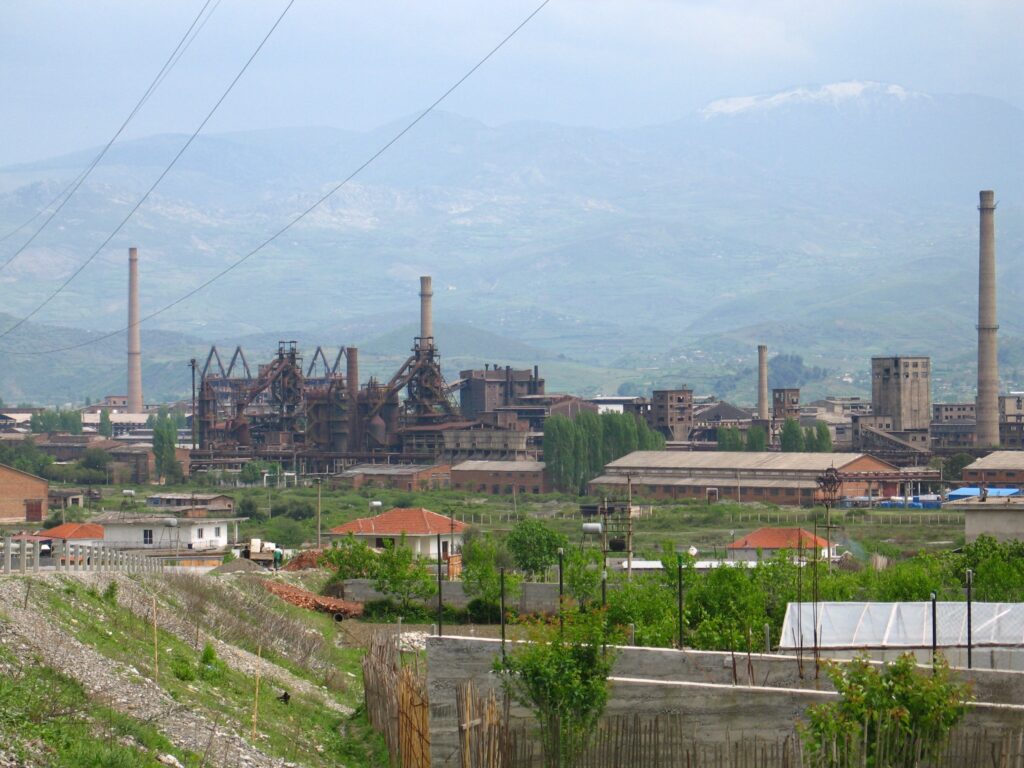
In 2024, liquid oxygen was discovered in Bulqiza—a strategic resource. But as with chromium, nickel, and other minerals, the profits do not reach the people. They flow to elites and international companies, while the country remains dependent and underdeveloped. The World Bank states clearly in its country reports: Albania is rich in resources but poor in development.
A Justice System That Does Not Protect Victims
Albania has no legal framework that guarantees victims compensation from assets confiscated from criminals. The EU’s Rule of Law assessments note that seized assets are routinely absorbed into state funds rather than directed toward those who suffered harm.
A state that does not protect its victims protects no one. A justice system that fails to defend the vulnerable is not justice—it is merely an instrument of power.
International Dependency: A Silent Strategy
Migration is presented as an “opportunity,” but in reality it is the export of human capital. Western countries gain workers and consumers; Albania loses its youth and its future. This is not cooperation; it is structural inequality. It is exclusion between states, masked as integration.
Hirschman and Lincoln: The Theory of Legitimacy
Albert O. Hirschman, in his classic Exit, Voice, Loyalty (Harvard University Press), explains that when Voice fails, Exit rises. When loyalty collapses, migration increases. When a state cannot keep its people, it loses its legitimacy.
Abraham Lincoln warned in his 1861 inaugural address (Yale Law Avalon Project) that a government exists only through the active consent of the people—not through their exhaustion. Albania today stands precisely at this point: the people are exhausted, and exhaustion has become a mechanism of governance.
Albania Does Not Need a Façade—It Needs a Foundation
Democracy is not many parties. Democracy is many people. And a country that loses its people loses its future. A state that cannot protect its citizens loses its legitimacy. A democracy sustained only by the fatigue of its people is not a democracy—it is an illusion collapsing under its own emptiness.
Albania does not need a façade; it needs a foundation.
It does not need promises; it needs institutions.
It does not need rhetoric; it needs justice.
And above all, it does not need many parties; it needs a people who no longer feel compelled to leave.
Explore more analyses in our Hidden Geopolitics category.