A quiet awakening is moving through the world: societies are beginning to see that without equal power, no rights can endure.
Marx was wrong to believe that people become equal once they all have the same amount of capital. Capitalism is just as wrong when it claims that people are equal because they stand equal before the law. And the United Nations is wrong when it assumes that real peoples’ rights are possible as long as a small circle of veto states decides over war and peace.
Equality before the law, equality of human rights, and equality of peoples’ rights do not arise from income, property, or legal texts alone—nor from a world order in which veto states stand above all others. When power is concentrated in parties, states, bureaucracies, ideologies, veto powers, or other structurally privileged actors, equality on paper hides inequality in practice.
Equalism starts from a simple correction: equal capital is not human equality, and equal rights are not human equality. As long as power remains unequally distributed, every promise of equality—whether in constitutions, human rights treaties, or the UN Charter—collapses in reality.
From Two Systems to One Diagnosis
Having grown up in socialist Albania and later built a life and a business in capitalist Germany, I have lived inside both systems. From my own experience, I know that neither has delivered real equality: in socialist Albania, even with wealth formally distributed as Marx had promised, we were not all equal. And in capitalist Germany, I am still not equal before the law when it comes to the powerful. Equalism is the theory I developed from this experience—a name for the gap between rights and power, and a political proposal for closing it. I have captured it in a manifesto, published in digital and print form on Amazon KDP, Payhip, and on my own platform, The Injustice Chronicle.
Equality does not arise from income, property, or legal texts alone. When power sits with parties, states, bureaucracies, ideologies, or structurally privileged actors, equality on paper hides inequality in practice. Equalism calls this out and insists that the real measure of equality is not how many rights you have written down, but how much power you have to enforce and protect them.
Equalism in One Sentence
Equalism can be summed up in one sentence:
Equal rights are not enough; without equal power, equal rights remain hollow.
Many states and many people already have the same rights on paper, but not the same power to enforce them. That is why Equalism does not stop at equal rights; it demands equal power. When all states have equal power, no veto state can override the rights of others. When all people have equal power in their societies, no elite can decide alone about law, migration, or war.
Equal power means: no veto over the decision to go to war, no veto over the right to asylum, and no veto over the protection of human dignity. If power is concentrated in the hands of a few, rights serve the powerful. If power is distributed equally among all, rights serve humanity. Equalism is the claim: equal power for equal rights, everywhere, in every state, for every person.
The UN: Where Equality Fails Most Openly
Equalism as a principle of world order is not only a moral demand but also an institutional question. If equal power is the precondition for real rights, then the United Nations must be examined precisely where inequality is most deeply embedded: in Article 27 of the UN Charter and the veto of the permanent members.
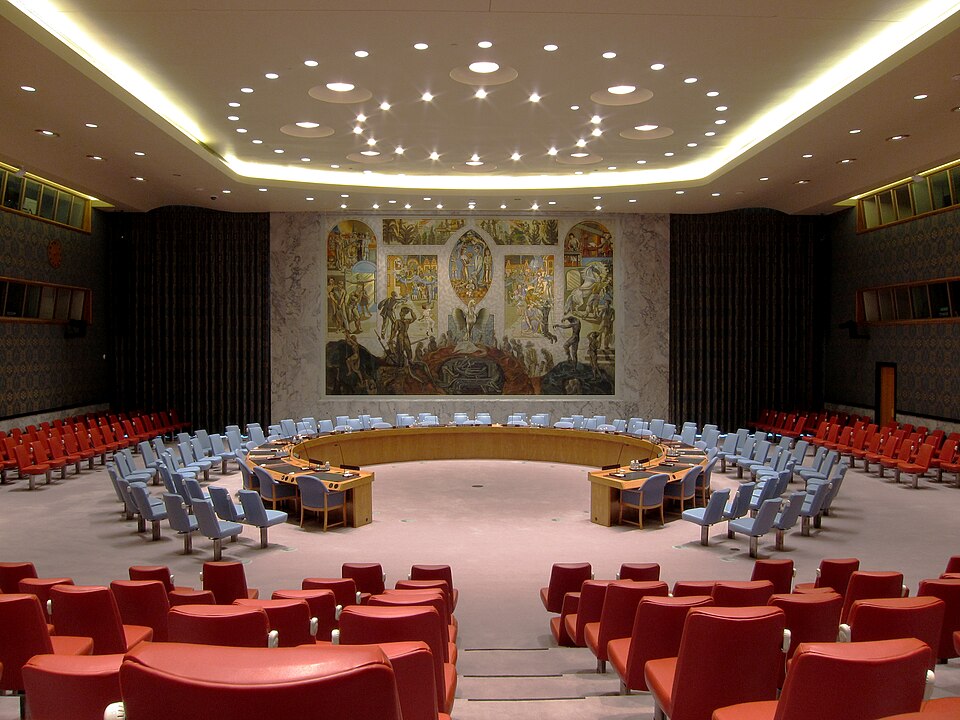
The current system tells the world that all states are equal, while at the same time granting a small group of permanent members the power to block any decision on war, peace, or collective security. The result is a structural contradiction: universal rights combined with unequal authority. Equalism insists that this is not a technical detail but the core architecture of global injustice.
EQUALISM: Manifest for a New World Order is my attempt to turn this correction into a full political theory of power structures, inequality, and global justice. It argues that the real source of inequality is unequal, invisible authority—power that decides over war, migration, democracy, and human rights without accountability. At the international level, the manifesto applies Equalism to the United Nations and the UN Charter, analysing the Security Council, veto power, and Article 27, and introducing the Vₙ = 0 framework to show how veto‑based asymmetry fuels war and exclusion.
The UN Charter already contains a legal pathway for change. Amendments can be adopted and ratified, and recent initiatives that link vetoes to mandatory debate show that institutional reform is possible within the existing Charter framework. Equalism pushes this logic to its conclusion: from symbolic scrutiny to real power equality—from veto states to equal states.
Unequal Authority Disguised as Universal Norms
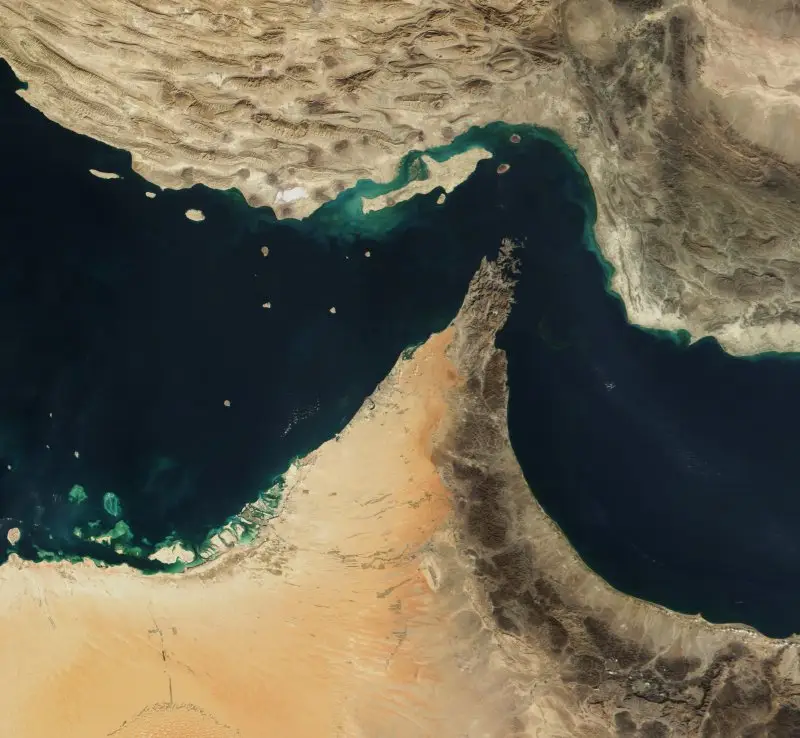
In Iran, Gaza, and Ukraine, we see the same pattern: international law and human rights exist on paper, but a handful of veto powers and military alliances decide who is protected, who is abandoned, and who is declared “collateral damage.” Equalism calls this what it is: unequal authority disguised as universal norms.
If unequal power is the root of modern crises, then Equalism is a proposal to finally close the gap between rights and power. As wars expand, veto powers escalate, and whole regions live under the permanent threat of decisions taken far away, people are losing not only security but also the sense that tomorrow is theirs. Now is the moment for Equalism. People have nothing to lose but their fear.
Read the Manifesto
Learn more and support the work:
Equalism—Manifest for a New World Order (EN)