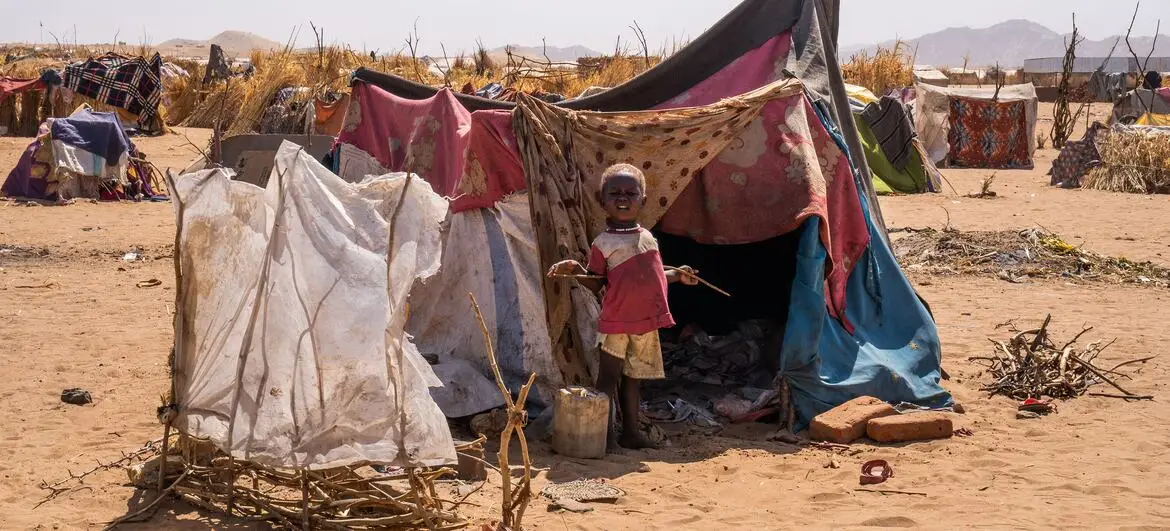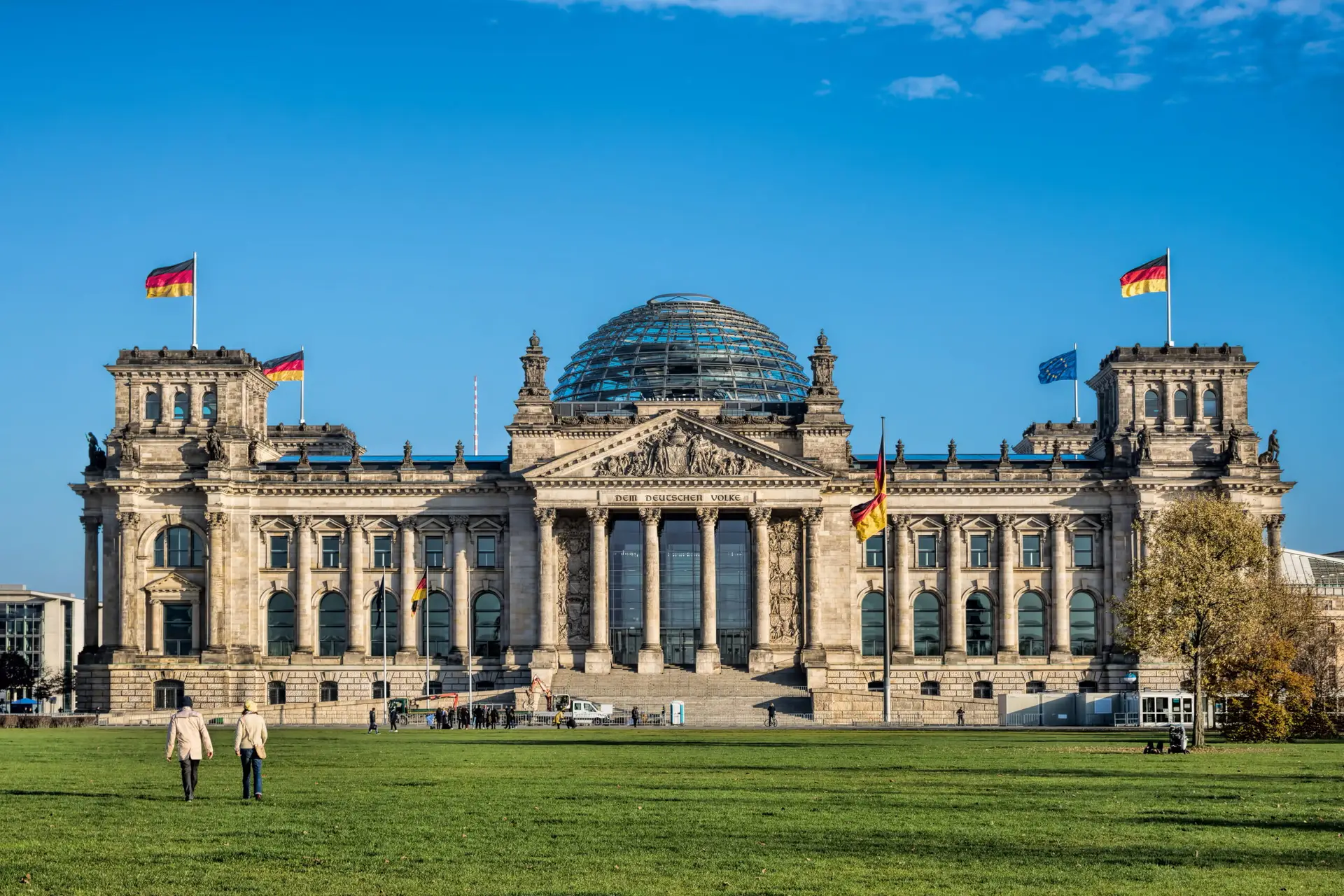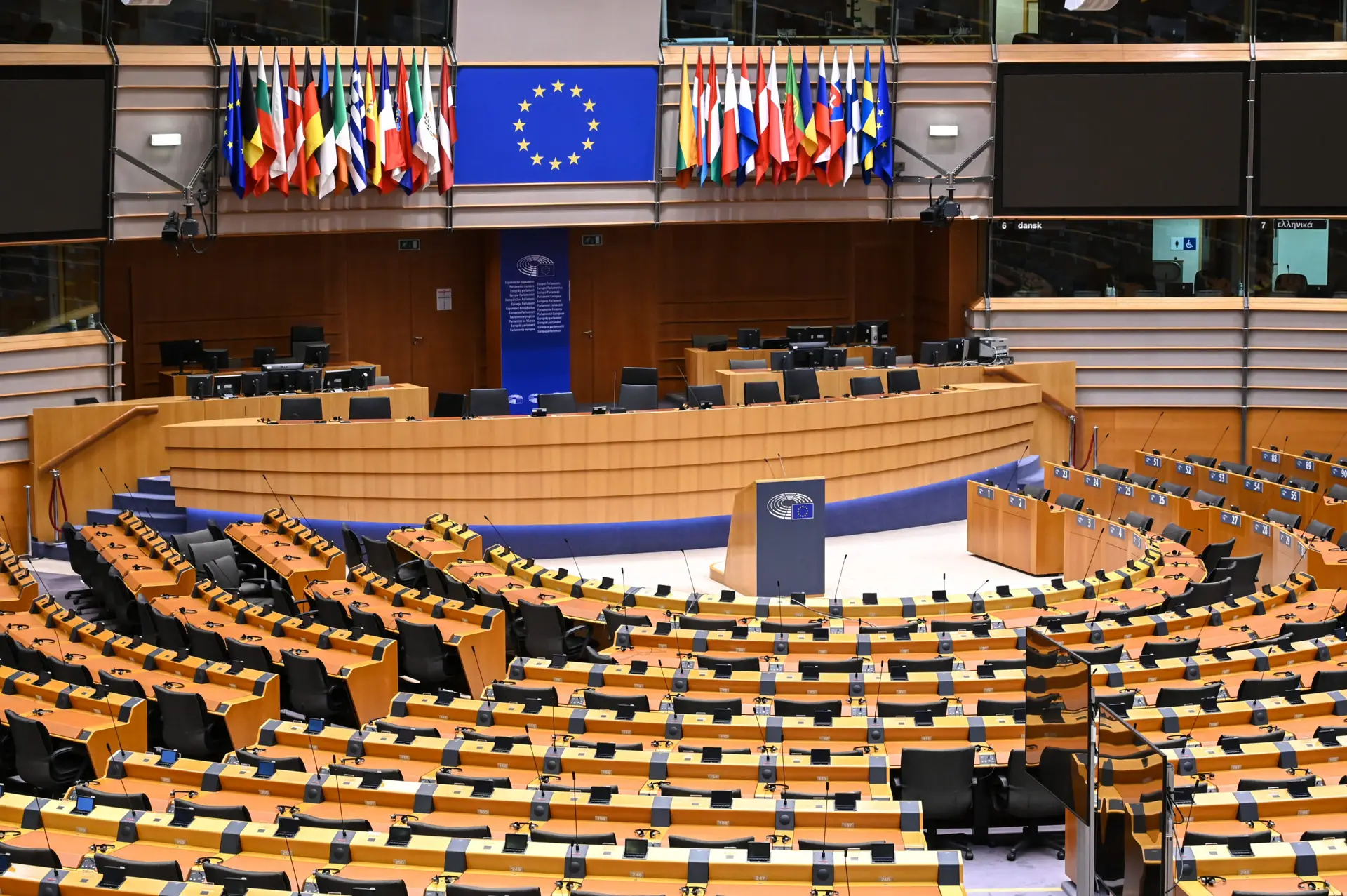
Europe now knows what it feels like to be dependent—and is experiencing firsthand what other countries have gone through for decades under European policies, markets, and credit regimes. Since the war against Iran began, the continent has suddenly been living what it previously only knew from reports about the Global South: powerlessness, dependence, a lack of real sovereignty, fear of economic fallout, and fear of political isolation. For many states in Africa, Asia, and Latin America, this is not an exception but the normal condition. For Europe, it is a shock.
On this stage, the continent now stands exposed. It insists that the Iran war is “not Europe’s war,” even as its own energy security, its economy, and its political credibility are directly threatened by this very conflict. Put bluntly, Europe pretends that worries about oil and gas prices are an American problem—even though it has never clearly said NO to the U.S. war against Iran. In this gap between official distance and real dependence, the central contradiction of European policy is laid bare: it does not want to fight, but it also does not want to contradict—and in the end, it pays the price anyway.
EU foreign policy chief Kaja Kallas has spelled it out: “This is not Europe’s war”—but in the same breath she admits that “Europe’s interests are directly affected.” While foreign ministers and heads of government promise they do not want to be “dragged into a war with Iran,” the European Council is meeting in Brussels in crisis mode, with the Iran war, soaring energy prices, and the risk of a new recession at the top of the agenda. At the same time, U.S. President Donald Trump publicly threatens to “massively blow up” South Pars, the world’s largest gas field, if Iran attacks Qatar again—a threat carried in exactly that bluntness across U.S. media. While EU leaders debate how to cushion energy prices, supply risks, and an economic downturn, they avoid sending a clear political message against the planned attacks on gas and oil infrastructure. In practice, Europe’s line is, We will pay the bill for this war, but we refuse to stop its escalation at the source.
When Russia bombed Ukrainian power plants and grids in 2022, everything suddenly seemed very simple. Those who deliberately target power grids, heating plants, and energy infrastructure are committing “war crimes” and “acts of pure terror”—that was the line from Brussels, Berlin, and Strasbourg, with European Commission President Ursula von der Leyen using exactly those words to describe Moscow’s strikes on Ukraine’s energy system. Those missile and drone attacks were sharply condemned, explicitly framed in legal terms, and followed by sanctions designed to isolate Russia economically and hit its energy revenues, even at the cost of a historic energy crisis: gas prices spiked, inflation hit record levels, and governments had to roll out massive relief packages. Europe accepted all of that as the price of taking a clear stand against Moscow. Today, in the Iran war, many of the same governments argue that they cannot afford to contradict Washington and Jerusalem too openly because energy prices, inflation, and growth are too fragile. That contrast makes one thing clear: high gas prices are not the real reason not to condemn a war; they were no obstacle in 2022 either. The difference is that Russia is an adversary who can be punished, whereas the United States is the protector whose actions Europe does not dare to oppose.
You can also add a further layer of hypocrisy: in the Iran war, Russia is not a neutral bystander. Moscow is sharing intelligence with Tehran, profiting from the surge in oil and gas prices, and hoping that the conflict will drain Western support and ammunition away from Ukraine. Europe, in other words, is taking a hard stand against Russia in Ukraine—accepting energy pain, sanctions, and long‑term gas price increases—but then hesitates to clearly say no to a war in Iran that Russia quietly abets and materially benefits from. Saying “no” to Moscow in Ukraine while effectively tolerating a US‑led war that strengthens Russia’s energy position and undercuts support for Kyiv is not strategic coherence. It only underscores that high energy prices are not the real reason Europe avoids condemning the Iran war: the difference is not the economic cost, but who is waging the war.
It is against this precedent that Europe’s credibility is now being measured. When the president of the United States openly threatens to turn the world’s largest gas field into rubble to exert geopolitical pressure, it raises exactly the same core questions of humanitarian law: what protection do civilians have when energy infrastructure becomes a weapon? At what point does the deliberate destruction of critical supply systems become a crime—no matter whether the perpetrator is Moscow or Washington? In 2022, Europe committed itself to the view that shelling energy networks is “terror against civilians.” If it now falls silent in the face of U.S. threats or waters down its language, that is not just political opportunism—it is a breach of its own legal and moral standards. And that is where the double standard begins that makes Europe so vulnerable.
This pattern shows up not only in the Iran war but also in how Ukraine is handled. The limits of Europe’s role were already visible in February: when ceasefire options were discussed in Geneva, the talks took place among Washington, Moscow, and Kyiv—without European representatives. The war is being fought on Europe’s continent; Europe is bearing the highest economic costs, yet it is not even reliably seated at the negotiating table. That is the most precise description of what structural powerlessness under the shadow of a hegemon looks like.
In this war, Europe is living through what many states in the Global South have faced for decades: dependence without meaningful voice. Suddenly, the continent feels in its own body what it means when vital energy prices, supply chains, and economic stability depend on decisions made in Washington, Tehran, or Tel Aviv—not in Berlin, Paris, or Brussels. This sense of powerlessness, this fear of sanctions, market panic, or political isolation if one speaks “too loudly,” is exactly the situation into which European policy has repeatedly pushed other countries—through sanctions, IMF programs, trade deals, and security dependencies. Today, Europe itself feels what dependence is like—and experiences in its own case what others have endured for years under European markets, credit, and conditionality.
Seen in this light, the Iran war is holding up a mirror to Europe. The continent is no longer just the actor that talks about others; it has itself become the object of decisions made elsewhere: a market expected to pay without a real say, an ally expected to be loyal without asking uncomfortable questions. If Europe takes this experience seriously, it would have to draw consequences—not only upward, toward the United States, but also downward, toward those countries that have lived for decades in the shadow of European and American power structures. A continent that truly wants to free itself from dependence can credibly do only one thing: allow others to be independent too, instead of binding them with the same economic and security shackles that it now experiences as blackmail.
Europe is therefore at a crossroads. It can remain the wealthy junior partner that officially “does not fight wars,” yet still bears their costs. Or it can begin to apply the same standards to Washington that it applies to Moscow. As long as Europe calls attacks on energy infrastructure “war crimes” only when they are carried out by enemies, its value‑based foreign policy remains empty rhetoric. Only when the continent learns to criticize its own protector—and to question its own role toward the Global South at the same time—can dependence turn into real sovereignty.