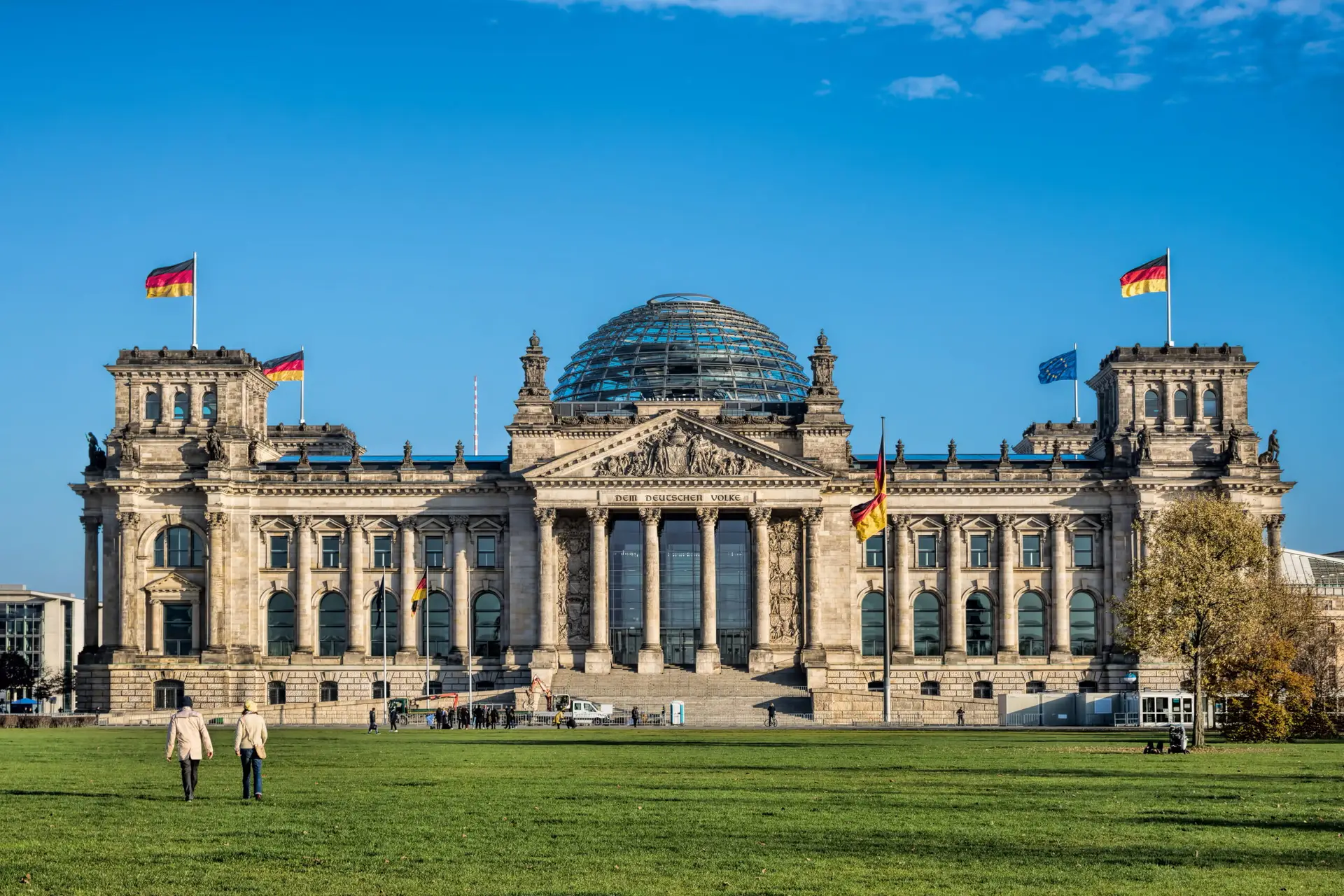
On the 18th day of the war, Germany is saying no to sending its own troops to the Gulf—but not no to the war itself. The German government insists this conflict is “not our war” and “not NATO’s war” and refuses any direct military deployment, yet politically aligns itself with this very war and with the strategic goals pursued by the United States and Israel.
Since the beginning of the joint US‑Israeli attacks on Iran, Berlin has endorsed the core objectives of Washington and Tel Aviv and has presented the military operation as a path to a “better future” and a “new order” of regional peace and stability. Chancellor Friedrich Merz has repeatedly described Iran’s leadership as a “terror regime”, responsible for decades of repression, regional destabilization, and support for groups such as Hamas and Hezbollah. In official statements he has said that Germany shares the American interest in “stopping the terror of this regime” and halting Iran’s nuclear and ballistic build‑up.
On March 17, Merz added another layer: “The Iranian people have the right to decide their own fate,” according to a government press release. This combination is crucial: while bombs are falling and a de facto regime‑change war from the outside is politically supported, Berlin simultaneously invokes the right of Iranians to shape their own future.
Before, during, and after his meetings with President Donald Trump in Washington, Merz has repeatedly stressed that Germany supports the core goals of the United States and Israel in the war against Iran and that he wants to discuss the “day after” with Trump. At the same time, he defends the strikes as driven by “good reasons” while pointing to constitutional limits, the lack of a UN, EU, or NATO mandate, and the fact that Berlin was not consulted in advance. In short, Germany refuses to send its own soldiers but says yes to this war.
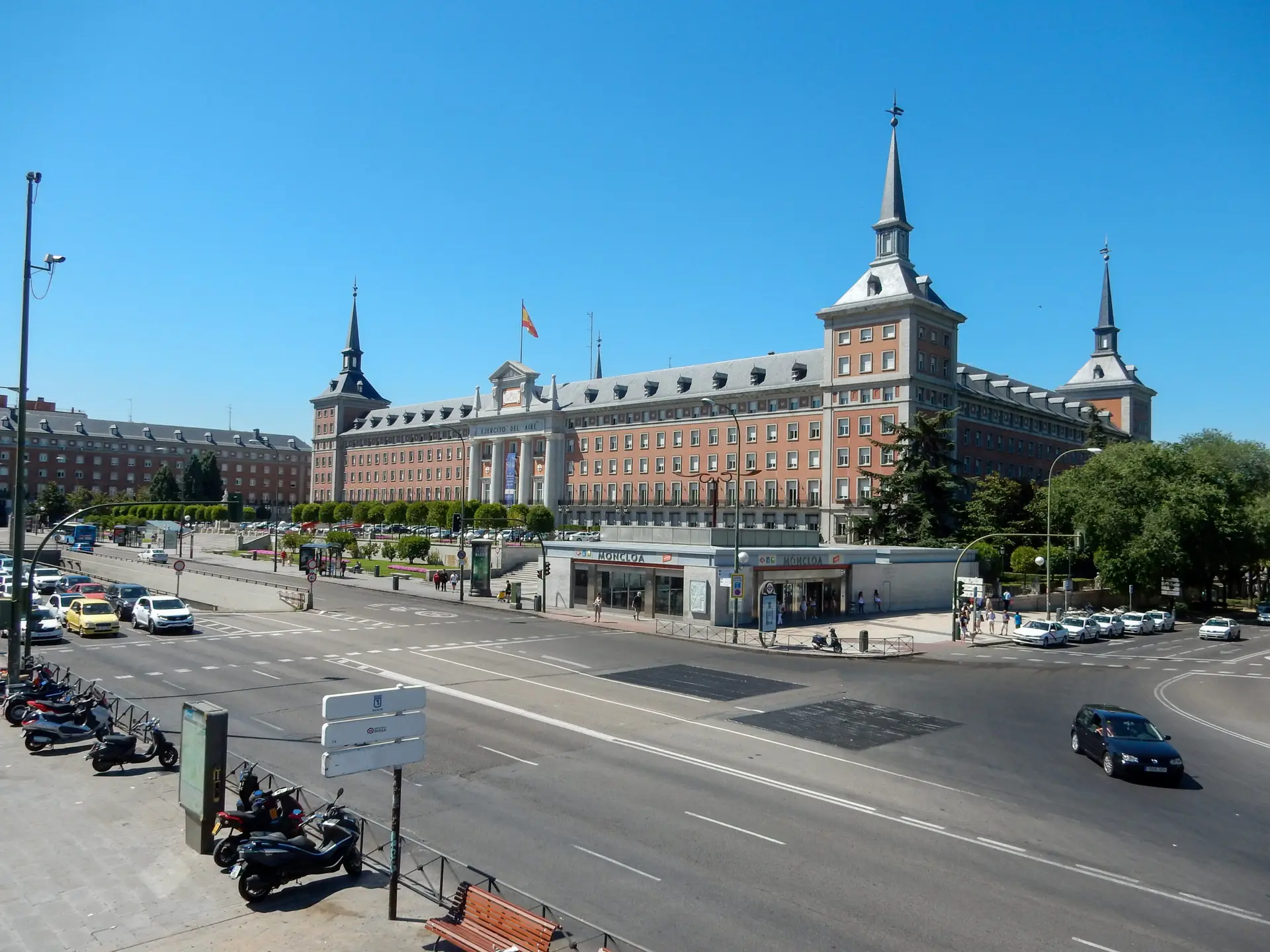
Spain says no, and Germany attacks that “no”
While Germany avoids a clear rejection of the war and instead positions itself politically behind it, Spain has chosen a fundamentally different path. Madrid has publicly condemned the US and Israeli strikes on Iran, called for an immediate ceasefire, and warned that this escalation deepens the crisis of the international order rather than restoring it. Spain’s leaders frame the war not as a solution, but as another symptom of a global order that is increasingly unstable and unjust.
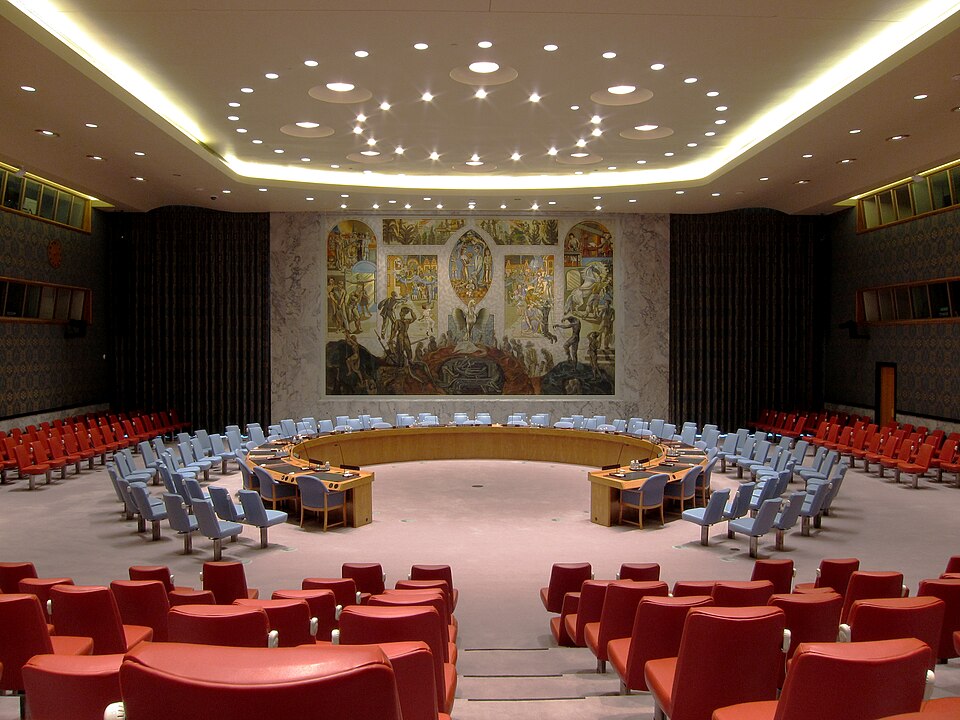
Instead of hiding behind formulas like “not our war” Spain openly says no to the war and, in the same breath, calls for the abolition of the veto power in the UN Security Council. Spanish Prime Minister Pedro Sánchez argues that it is precisely veto‑wielding powers such as the United States that can launch or support wars—in Ukraine, in Gaza, and now in Iran—while using their veto to block any effective international response. Madrid has even refused to allow US forces to use Spanish bases for operations related to the strikes on Iran, despite open threats from Trump to cut trade relations with Spain.
In Washington, Merz openly aligned himself with Trump’s criticism of Spain. While Trump attacked Madrid for blocking the use of joint US–Spanish bases and for allegedly failing to live up to its alliance commitments, Merz stated that Germany was trying to convince Spain that this war effort was “part of our common security” and that “everyone has to comply with this”. Germany thus does not side with a European partner that says no to the war but with a US president who is punishing Spain precisely for that no. From Berlin, Spain’s refusal is not welcomed but implicitly criticized—a clear signal that those who say no to the war and to the veto system that enables it will not be backed, but isolated.
Spain is thus under double pressure: for saying no to the war and for calling for the abolition of veto power in the UN Security Council. Open attacks have so far focused mainly on its refusal to provide military support and its decision to block the use of US bases. At the same time, Spain’s push to end the veto is portrayed as a dangerous challenge to “Western unity” and to the existing security architecture—not always by name, but clearly in the political subtext.
The issue is not troops—it is political support
The central issue, then, is not whether Germany sends its own troops to the war against Iran. The core problem is that Germany politically supports this war. Whether German soldiers are present in the Gulf or not does not change what is happening inside Iran: bombs fall, people die, and injustice continues—with or without German uniforms on the ground.
This became clear again in a government press conference on 16 March. A Foreign Office spokesperson explained that Berlin first wants to hear from Israel and the United States “when the military objectives in Iran have been achieved” and only then to move “into a diplomatic solution” and help design a new “security architecture for the entire region” together with the neighboring states. At the same time, government officials repeatedly stress that Germany “will not take part in this war” and, as long as the war continues, will not join any military mission to keep the Strait of Hormuz open by force. Germany thus draws a narrow line: it refuses to send its own warships into an active combat zone, but it accepts the war as a legitimate instrument of policy and positions itself as a partner for managing its aftermath.
At the same time, Berlin helps uphold an international order in which veto powers like the United States can wage or prolong wars while the UN system remains paralysed. One of the reasons this war against Iran is even possible lies in this architecture: deterrence and security guarantees are dismantled, sanctions and pressure are escalated, but there is no effective protection against unilateral violence, no equal legal shield for weaker states.
History shows that wars declared in the name of “security”, “counter‑terrorism”, or “democracy” rarely produce just or democratic outcomes. The invasion of Iraq did not create a democratic model state; it led to mass death, long‑term instability, and new forms of external control. As studies on Iraq note, democracy promotion was not the real reason for the war but a later justification—and the attempt to turn the occupation into a democratic success story has clearly failed.
Recent operations framed as fights against “authoritarian regimes” or “terror threats,” including attempts to force political change in places like Venezuela, follow the same pattern: human rights language is used to legitimize power politics.
Against this background, Germany’s stance rings hollow. Berlin invokes human rights, counterterrorism, and the “right of the Iranian people to decide their own fate,” while backing a war that, in practice, takes this decision out of their hands. Germany not only fails to say a clear no to the war; it attacks those—like Spain—who do say no and who demand the abolition of veto power. Spain demonstrates what a political “no” looks like without hiding behind its own veto power: it rejects the war, calls for a ceasefire, blocks the use of its bases, and challenges the legitimacy of the veto itself.
Veto power versus peoples’ rights
Spain’s position makes visible what is missing in today’s system: equal rights for peoples instead of special privileges for a handful of powerful states. When Madrid calls for ending the veto power in the UN Security Council, it is ultimately calling for an end to a hierarchy of lives and security interests—a hierarchy in which some states and some populations are protected, while others can be bombed with impunity.
As long as individual states hold veto power, there are no truly equal rights of peoples, only graded rights depending on where one is born and under which flag one lives. The veto stands in direct contradiction to the spirit of international law, because it prevents violence and war crimes from being judged and sanctioned equally for all; it is the opposite of genuine collective security.
Only when power in the international system is equalized—when no state can unilaterally block the application of international law and no government can decide alone which people must be “protected” and which can be sacrificed—can abstract “human rights” become real rights of peoples: the right not to be bombed, the right to decide one’s own future, and the right to say no—also and especially to war.
Without dismantling veto power, talk of international law and human rights will remain a language of war—not a guarantee of peace.