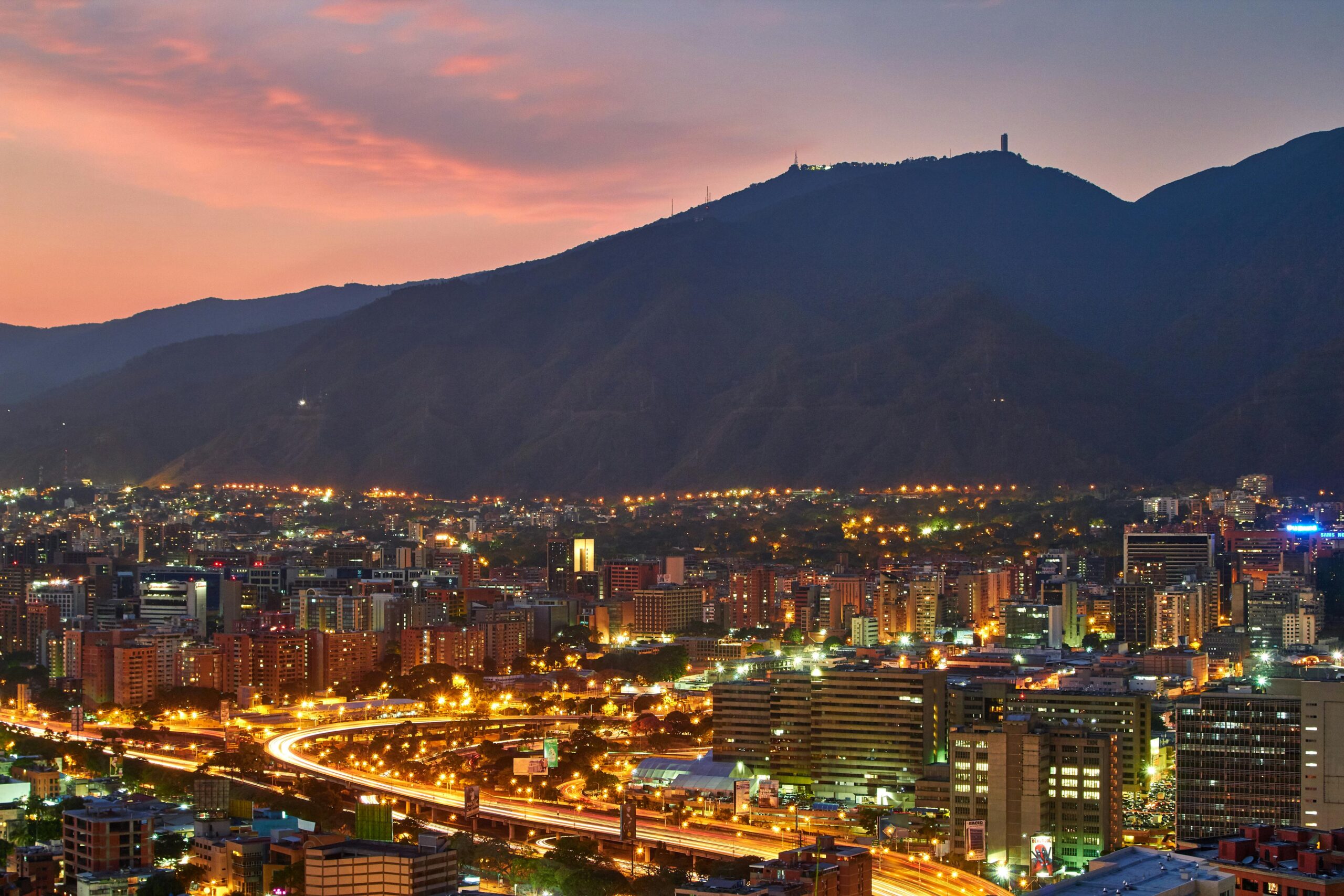
While the United States turns away migrants at its own southern border, it simultaneously projects military power into another country and claims the right to shape that nation’s political future.
The imbalance is intentional, woven into the very framework of intervention. In Libya, the 2011 bombing campaign was justified as a path to “democracy” but instead led to years of institutional collapse and mass displacement—consequences that continue to reverberate across European politics. This operation does not occur in a vacuum; it comes at a moment when global norms are already eroding. Now, Venezuela is labeled as “liberated,” but the pressing issue persists: who will be held accountable if instability and disorder take hold in the aftermath?
At the time of the operation, a sitting head of state was removed from his residence and transferred into the jurisdiction of a foreign power. More than 150 aircraft, drones, and special forces crossed Venezuela’s sovereign borders—a fact widely reported by international media on January 3rd, including Al Jazeera, CBS News, and the Associated Press.
In the immediate aftermath, the United Nations did not adopt a single resolution—and to this day, no formal action has been taken—even though the operation raised significant concerns under international law. UN Secretary‑General António Guterres stated that the intervention “raises deep concerns that rules of international law have not been respected,” a position later reinforced by UN human rights experts who condemned the operation as a grave violation of the UN Charter (UN News, 5 January 2026).
The International Court of Justice was bypassed entirely. Instead of an international legal process, the president was placed directly under the authority of a U.S. federal court—a precedent-setting act that expands the extra‑jurisdictional reach of a single state. As stated in official communications from the United States government, President Maduro now stands accused of narco‑terrorism in the Southern District of New York, according to several media outlets—including The Logical Indian—which reference U.S. authorities. This development is framed as an embodiment of justice, of order, and of freedom.
An Injustice
Barely has the new year begun, and already a threshold has been crossed—not only territorial, but structural.
In the middle of the night, U.S. special forces entered the presidential palace in Caracas.
President Nicolás Maduro and his wife were detained and flown to New York.
The world learned of this not through the United Nations, but through a statement by the U.S. President, who declared that Venezuela was now under American control.
The message was unmistakable:
We determine who governs—and when.
Global Double Standards
Labels such as “drug lord,” “failed state,” or “liberation” are not neutral descriptors; they are narrative instruments that frame intervention as a necessity. This pattern is well established: in Libya (2011), intervention was justified under the “Responsibility to Protect”; in Iraq (2003), the specter of weapons of mass destruction served as a pretext to circumvent international constraints; in Chile (1973), external influence reshaped the political order; and in Panama (1989), a head of state was seized by U.S. forces, violating the sovereignty of the nation
The logic is consistent: once a state is designated as a threat to powerful interests, the enforcement of international norms becomes selective. With each iteration, the architecture of power becomes more visible.
Oil and Power Asymmetry
Venezuela possesses the largest proven oil reserves in the world—a resource that functions less as a safeguard and more as a structural vulnerability. History demonstrates that states with strategic resources repeatedly become targets of external influence: Iraq, Libya, and Nigeria. The current intervention occurs at a time when the United States is recalibrating its energy dependencies, and in this context, resource‑rich states become geopolitical leverage points.
Private actors also stand to benefit. Energy corporations and private military contractors gain new markets under the banner of “stabilization.” Economic incentives overshadow moral narratives. This is not an accusation; it is an observation of recurring patterns within global power structures.
Fault Lines in the International Order
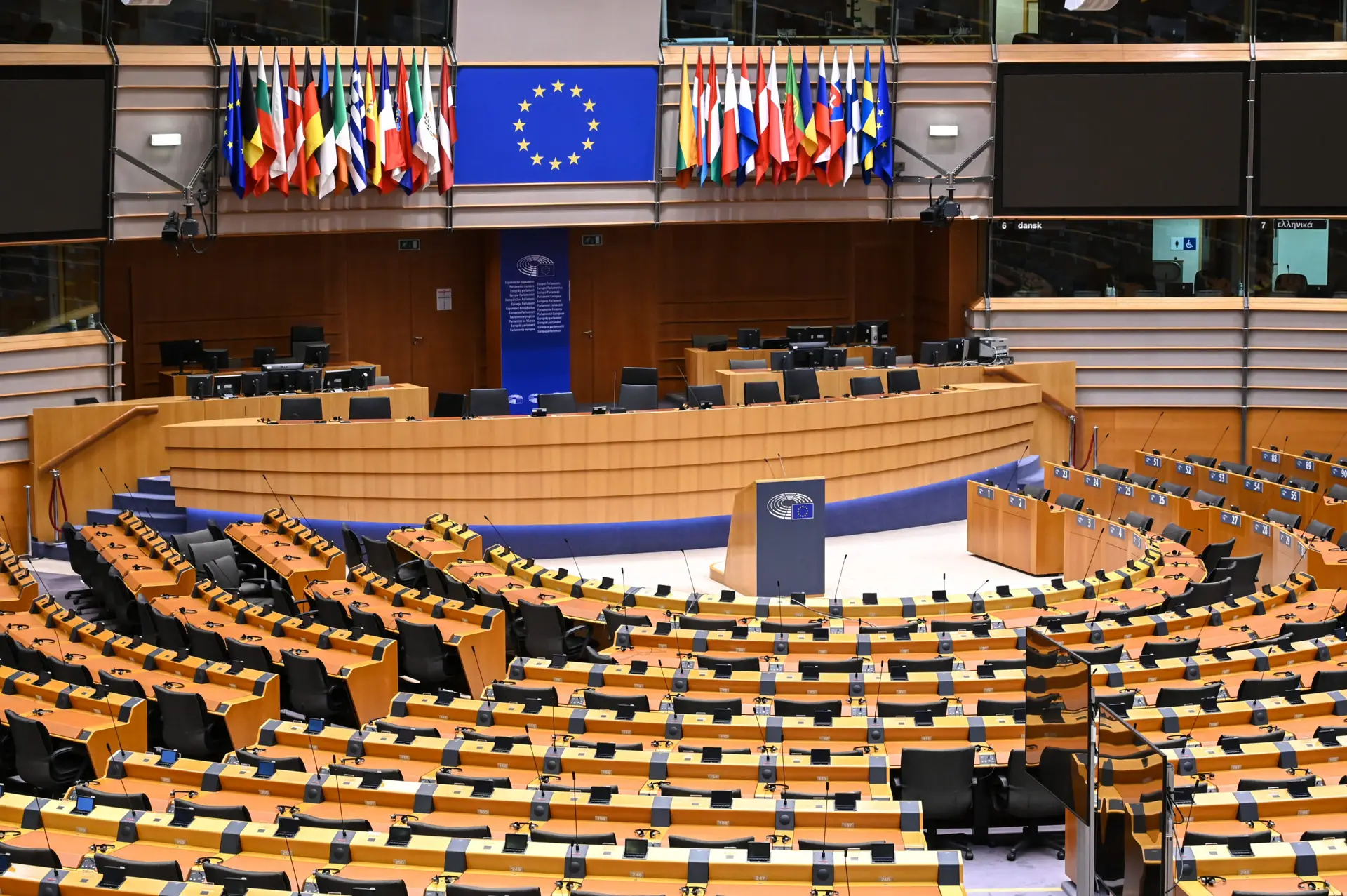
According to Al Jazeera, Colombia condemned the operation as an assault on regional sovereignty. Brazil adopted a position of strategic neutrality. The European Union remained divided. The United Nations expressed concern but demonstrated institutional paralysis. These reactions reveal a deeper truth: the international system lacks the mechanisms to balance asymmetries of power. Crises expose the fragility of multilateral governance. In a region with a long history of foreign interference, the symbolism of this operation is impossible to ignore.
The Central Question
In the end, one question remains—a question larger than Venezuela itself:
If one state can unilaterally determine who governs another, this is not democracy.
It is power.
And power without accountability is always an injustice.