The Four Lies of the World Order
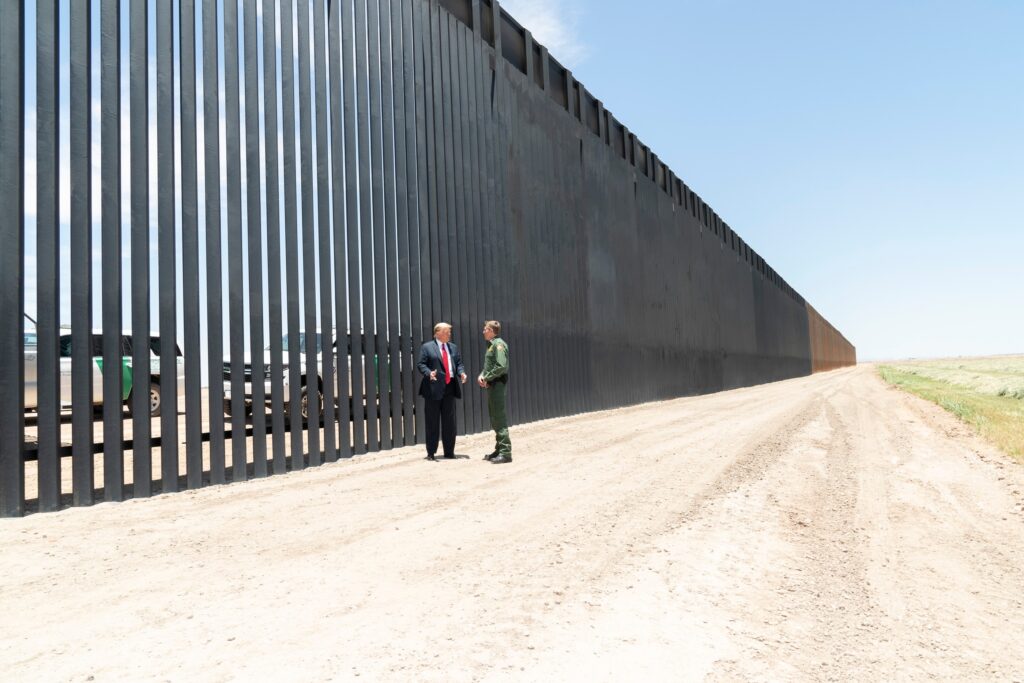
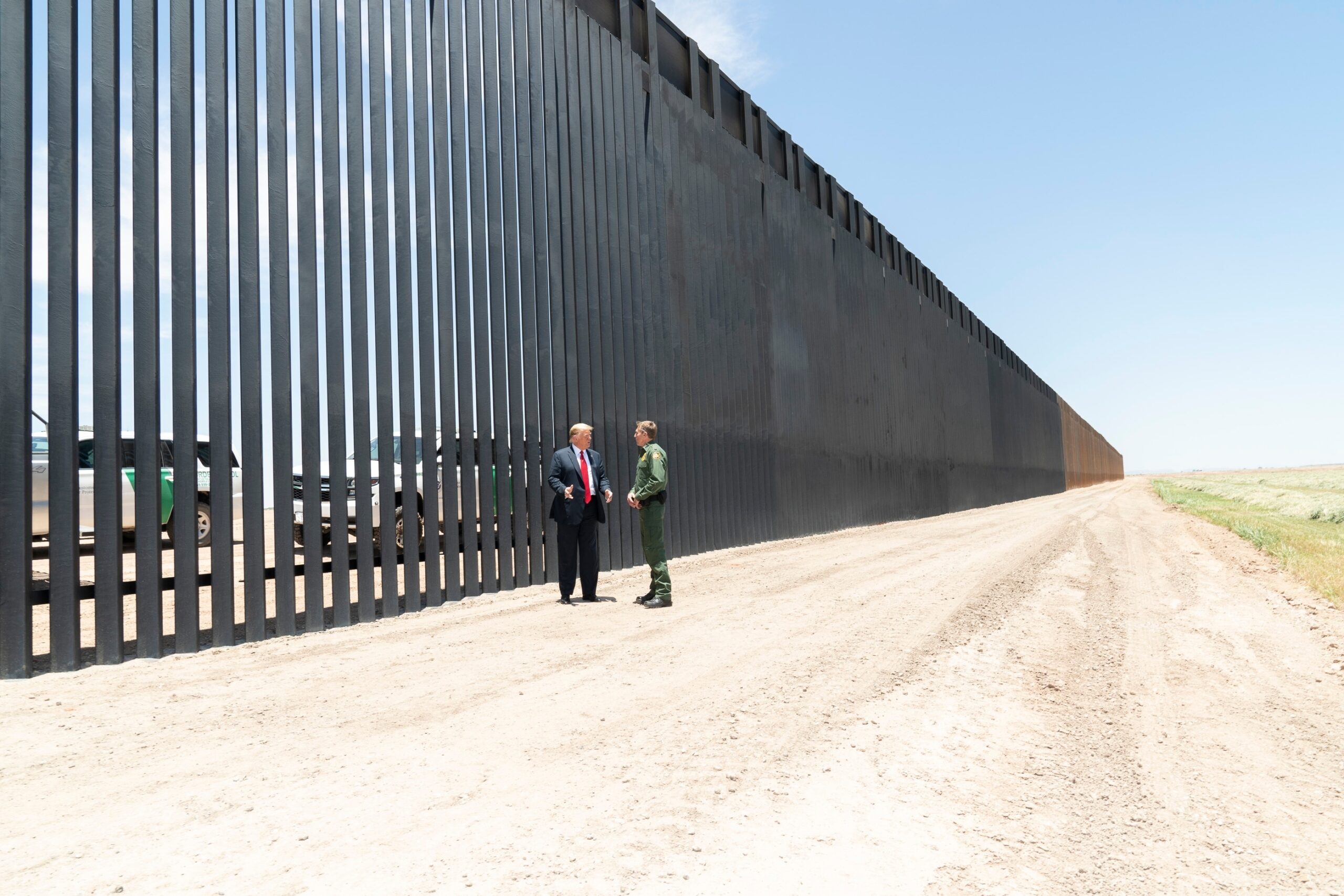
For the United States, national borders seem to matter little when political influence, economic interests, or geopolitical strategies are at stake. For the people pushed into migration by these very interventions, however, borders become inescapably real—first at the frontier, then inside the country itself. Because no international authority exists to regulate or restrain such cross‑border interventions, the world order that emerges is one in which states act freely while individuals bear the consequences.
The massive deployment of federal agencies and the deadly incidents of recent weeks in Minneapolis have mobilized millions preparing for the No Kings protests on March 28—one of the largest political mobilizations in recent American history. The escalation was triggered by the administration’s hardened immigration agenda, which relies on large‑scale deportations and an expanded role for federal enforcement. What is unfolding in Minneapolis is not merely a local confrontation but the expression of a national strategy that frames migration primarily as a security threat.
Migration Rooted in U.S. Power
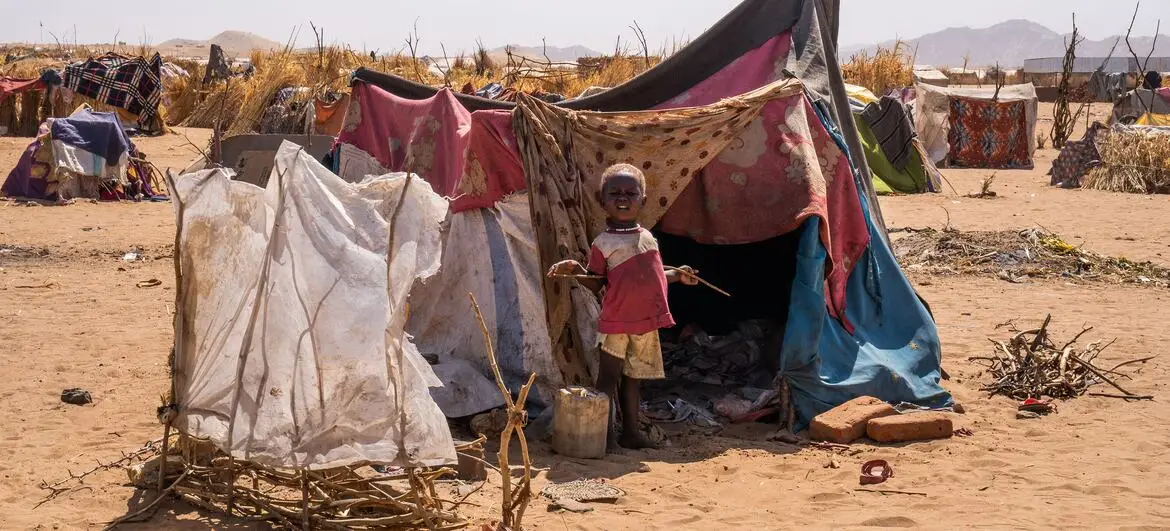
The migrants now at the center of this conflict come largely from countries whose histories are deeply intertwined with U.S. policy. Many from Guatemala, Honduras, and El Salvador originate from states shaped by decades of civil wars, military interventions, drug‑cartel violence, and economic dependency. In Mexico, trade agreements such as NAFTA weakened local markets and pushed millions into precarious labor conditions. Migrants from Haiti and the Dominican Republic come from nations repeatedly shaken by political crises, natural disasters, and external interference. Others arrive from African states such as Nigeria, Eritrea, or Somalia—countries marked by conflict, corruption, climate shocks, and global economic inequalities.
These developments did not arise in isolation. In many of these countries, the United States played a direct or indirect role. It supported certain governments militarily, signed economic agreements that weakened local industries, promoted security strategies that shifted violence elsewhere, and ignored structural vulnerabilities for decades. The migration, now treated as a domestic challenge, is therefore inseparable from a foreign policy that helped shape the fragility of these states.
Venezuela is one of the clearest examples of how global power dynamics generate migration. The country has produced one of the largest displacement crises in the world; more than seven million people have left Venezuela in recent years. International sanctions and geopolitical confrontation intensified the economic collapse under Nicolás Maduro—marked by hyperinflation, shortages, and the breakdown of essential state functions. The United States played a central role: through measures targeting the Venezuelan oil sector, through the 2019 recognition of Juan Guaidó, and through a foreign policy that repeatedly turned the country into a stage for global competition. The mass migration through the Darién Gap, which captured worldwide attention, is a direct outcome of these dynamics. Debates in the United States over Temporary Protected Status for Venezuelans further reveal how closely domestic politics is tied to America’s own external actions.
Recent decisions by the U.S. government to ease certain sanctions on Venezuela’s oil sector are officially justified as steps toward stabilizing the country’s economy. In practice, the structure remains asymmetrical: the United States determines under what conditions Venezuelan oil may enter global markets, which companies may participate, and how revenues are allocated. This resembles less a partnership and more a continuation of geopolitical leverage through economic means. A portion of the profits may return to Venezuela, but this does not change the core reality: control over the country’s central resource remains largely outside Venezuelan hands.
Exercising authority over a country’s resources without recognizing its population as an equal political actor creates a system in which economic benefits and human consequences diverge. This asymmetry is a central driver of instability and migration.
When the Displaced Arrive in America
That migration now unfolds inside the United States. People forced to flee by global inequalities have built new lives in America—working, paying taxes, and contributing to society. Yet the same policies that weakened their home countries now confront them with walls at the border and deportations within. First they were not meant to enter, despite being set in motion by international structures; now, having settled in the country, they are told to leave. This logic contradicts the very principles of international law that the global order claims to uphold and exposes a practice in which responsibility is exercised selectively.
The logic is straightforward: those who benefit from a country’s resources, markets, or labor also bear responsibility for the people who live there. States extract resources, secure trade advantages, and expand spheres of influence without accounting for the consequences. These actions create imbalances that manifest as migration, instability, and political conflict. Those who claim the benefits but reject the people generate not only misery in the countries of origin but also tensions within their own.