While Washington is trying to force Iran into a ceasefire with a sweeping 15‑point plan and fresh troop deployments to the Middle East, Moscow is pushing its own war to a new peak over Ukraine. In the same winter of 2025⁄26 in which the US‑Iran conflict escalates, Russia is launching record numbers of drones and missiles at Ukrainian cities, turning the air war into one of the most intense phases since the invasion began.
Since early 2026, Russian air attacks on Ukraine have intensified sharply, and the winter of 2025⁄26 now stands out as a turning point in the air war. February 2026 marked a clear turning point: according to Ukrainian data, Russia launched several thousand Shahed‑type attack drones and hundreds of missiles in a single month, more than in any recent month of the full‑scale invasion. Many nights saw large-scale strike packages in which hundreds of drones and missiles were launched within hours. Targets were not limited to the front lines; they repeatedly included power and energy infrastructure, residential districts, hospitals and historic city centers. February therefore became a record month in a campaign clearly aimed at exhausting both Ukraine’s air defenses and its civilian infrastructure.
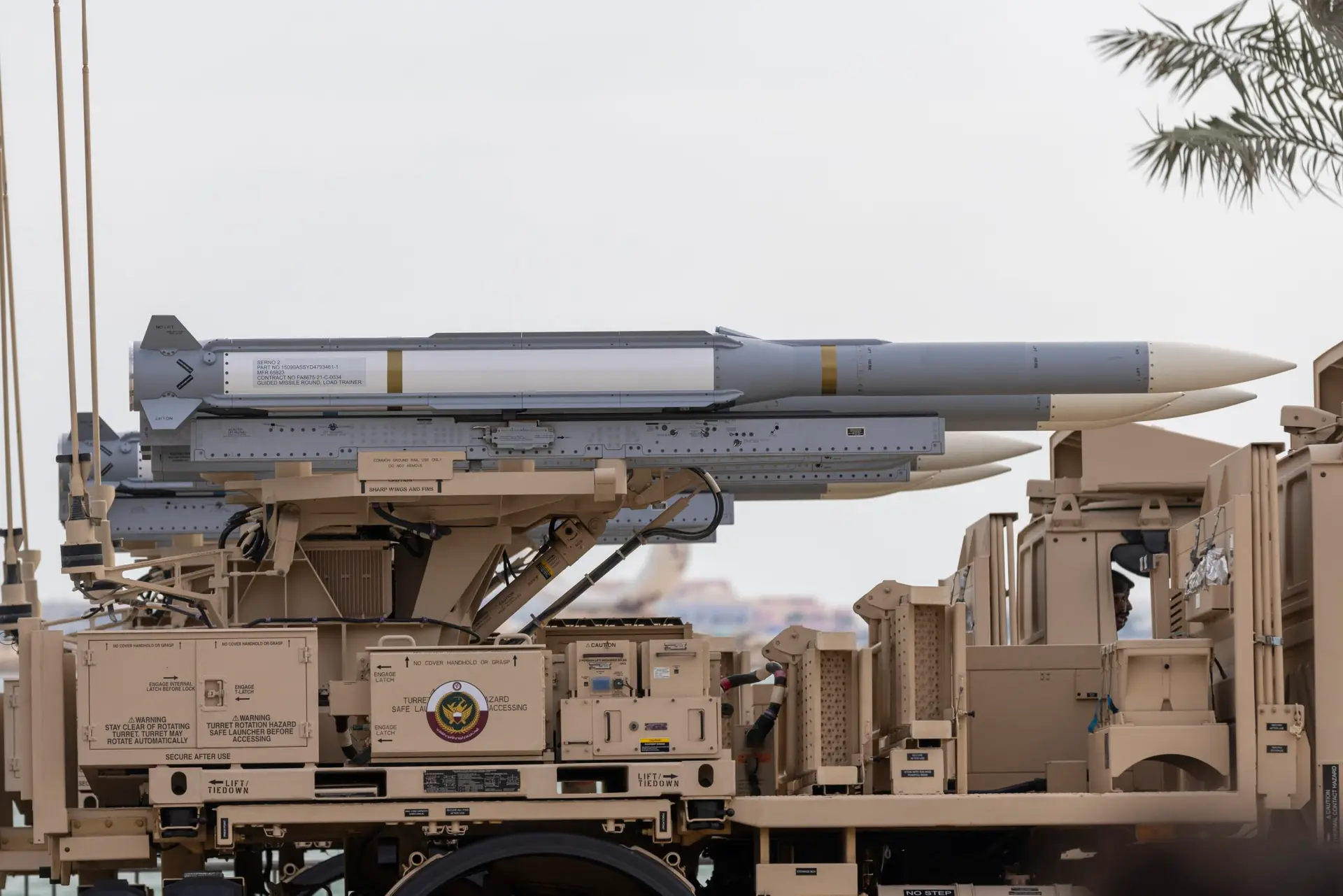
In late March, this escalation reached a new, clearly discernible peak. Within roughly a 24‑hour period between March 23 and 24, Russia launched nearly 1,000 attack drones against Ukrainian territory in one of the largest aerial assaults of the full‑scale war. In the first night, close to 400 drones were recorded; the following day brought an unusually large daytime barrage with more than 500 drones, and in the next night another wave of around 150 drones followed. These strikes hit, among other places, a maternity hospital in the western Ivano‑Frankivsk region, apartment blocks and city centers across several regions, and parts of the old town of Lviv, including a building belonging to a monastery complex that forms part of a UNESCO‑protected heritage site. At least seven people were killed and more than 50 wounded, including children, and major fires broke out in Lviv and other cities. Observers describe this series as one of the largest strike waves since the invasion began.
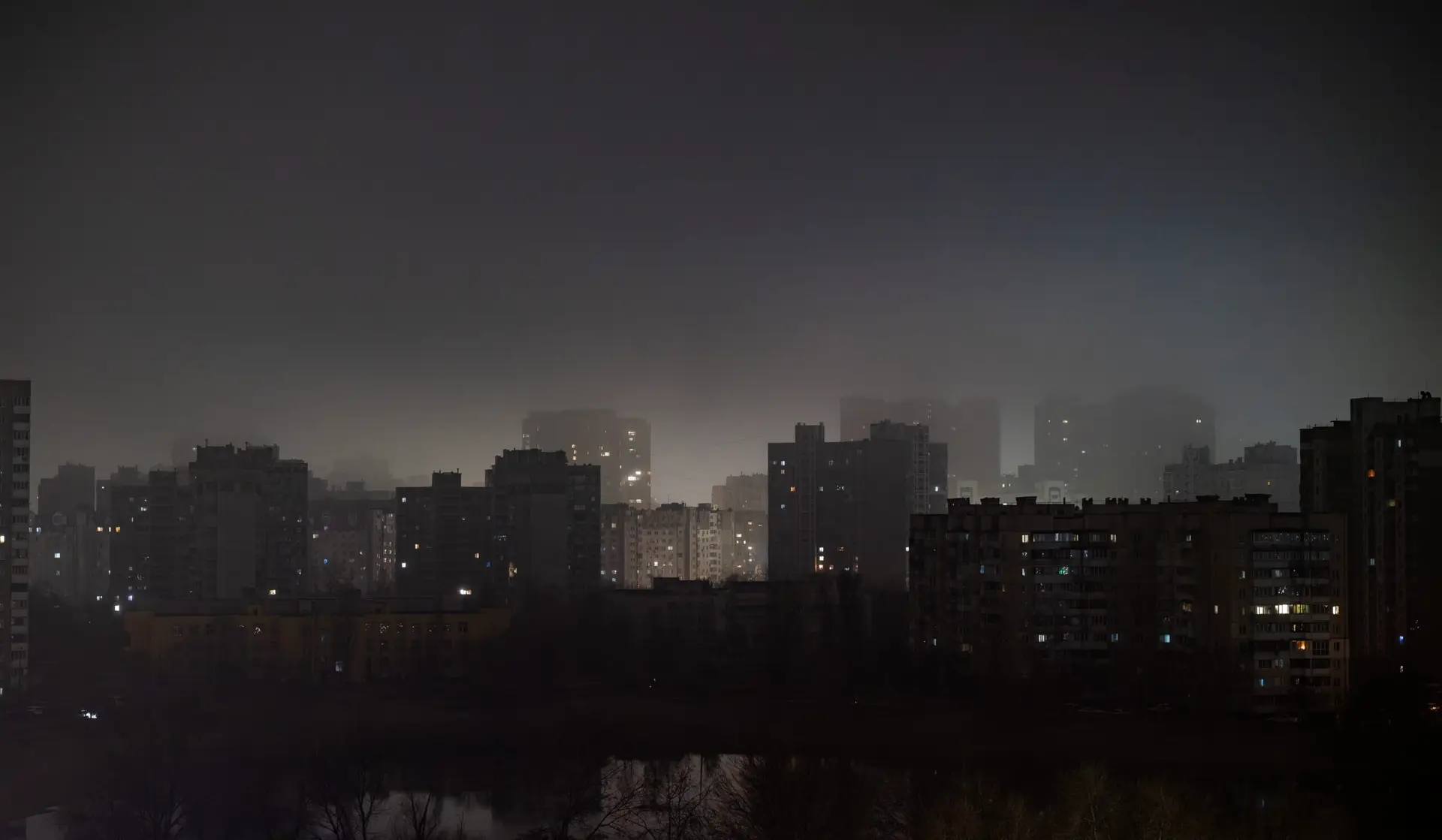
From the Ukrainian perspective, this changes the character of the war. Cities in the west that were long perceived as relatively safe, such as Lviv or Ivano‑Frankivsk, have now become regular targets of systematic drone attacks. The psychological effect is obvious: air-raid sirens over almost the entire country, very few genuine “rear areas” where civilians, hospitals or logistics can operate without constant threat. At the same time, pressure on Ukraine’s air defense is growing, as it has to split limited systems between front-line sectors, energy infrastructure and urban centers deep in the interior and in the west.
The timeline since January 2026 reveals a clear pattern. The frequency and intensity of Russian air strikes increase, February sets a record, and in late March a further spike in a very short period follows. From a military point of view, Russia appears to be pursuing several objectives at once. Continuous high strike volumes and closely spaced waves are designed to wear down Ukraine’s air defenses; at the same time, not only the east but also central and western Ukraine are kept under near‑permanent threat, putting almost the entire country under sustained pressure. In parallel, Russia has stepped up its ground offensive in the east, including around Kramatorsk, Kostyantynivka and Lyman, so the air strikes can be read as part of a broader spring offensive.
Politically, this escalation is taking place under the protection of Russia’s veto in the UN Security Council. Moscow has repeatedly vetoed resolutions that sought to condemn its actions in Ukraine or impose binding measures. A single veto from a permanent member is enough to block Security Council action. The result is a situation in which massive drone and missile attacks on a sovereign state take place, civilian infrastructure and protected cultural sites are hit, and yet no effective collective security response emerges. The very structures that paralyze diplomacy also allow the military escalation to continue.
Taken together, the winter of 2025⁄26 marks a clear escalation in Russia’s air war against Ukraine – an air campaign that no longer targets only front‑line positions, but an entire society. Drones and missiles are being used as instruments of systematic attrition – physically, infrastructurally and psychologically – under the protection of a veto power that can shield its own war from real consequences. In an international order where veto holders can block meaningful scrutiny while waging high‑intensity wars against weaker states, civilians in Ukrainian cities are left to bear most of the cost.
When this escalation over Ukraine is read next to the parallel air war over Iran, a broader picture emerges. In the winter of 2025⁄26, the United States and Russia – two rival veto powers – are both conducting large‑scale air campaigns against weaker states, while using their Security Council privilege to prevent meaningful scrutiny or constraint. One war is fought with drones and missiles over Ukrainian cities, the other with bombs and sanctions over Iran. Read together, the air war over Ukraine and the air war over Iran suggest that the winter of 2025⁄26 is not just another chapter in two separate conflicts, but a test of whether the international system can restrain veto powers at all – or whether they are now effectively free to wage high‑intensity wars against weaker states with almost no external checks.