Equalism—Equal Power, Not Equal Capital
Marx was wrong to believe that people become equal once they all have the same amount of capital. Capitalism is just as wrong when it claims that people are equal because they stand equal before the law. Equality does not arise from income, property, or legal texts alone. When power sits with parties, states, bureaucracies, ideologies, or structurally privileged actors, equality on paper hides inequality in practice. Equalism starts from a simple correction: equal capital is not human equality, and equal rights are not human equality. As long as power remains unequally distributed, every promise of equality collapses in reality.
EQUALISM: Manifest for a New World Order is a political theory about power structures, inequality, and global justice. It argues that the real source of inequality is unequal, invisible authority—power that decides over war, migration, democracy, and human rights without accountability. The book develops Equalism as a new principle of world order: an architecture in which power becomes visible, distributed, and accountable so that equal rights are finally backed by equal power.
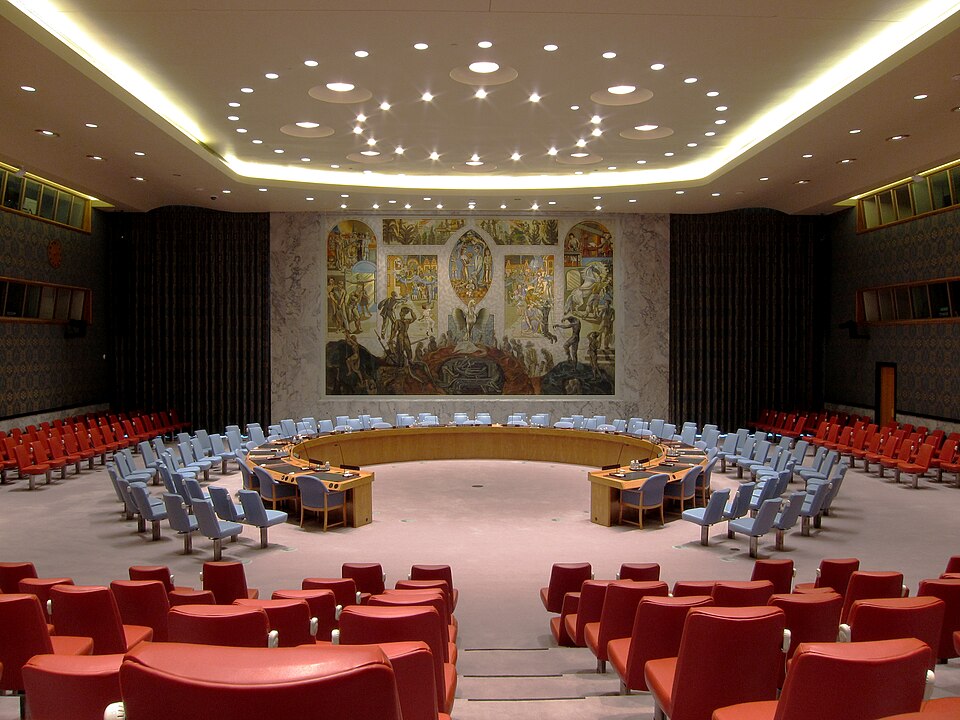
At the international level, it applies Equalism to the United Nations and the UN Charter, analyzing the Security Council, veto power, and Article 27, and introducing the Vₙ = 0 framework to show how veto‑based asymmetry fuels war and exclusion. This manifesto is both diagnosis and demand: it connects war, migration, ecological destruction, and social injustice to one root cause—unequal authority—and argues for a future in which equal rights and equal power finally coincide.
Further reading: Equalism in theory and practice
If you want to go beyond the core demand and understand the full theory behind Equalism, you can explore the detailed analyses on The Injustice Chronicle. The Equalism Manifest book and the special edition “Equal Power or Endless Wars?” explain how unequal, invisible authority shapes war, migration, and human rights, and how veto power and Article 27 of the UN Charter sustain structural injustice. In addition, articles on war, veto power, and the equality of states apply Equalism to concrete cases, making the theory visible in real conflicts and legal procedures.
If you support this vision—to expose unequal authority, end veto‑based privilege, and build a world order where equal rights are backed by equal power—sign the Equalism Manifest below.