The Four Lies of the World Order
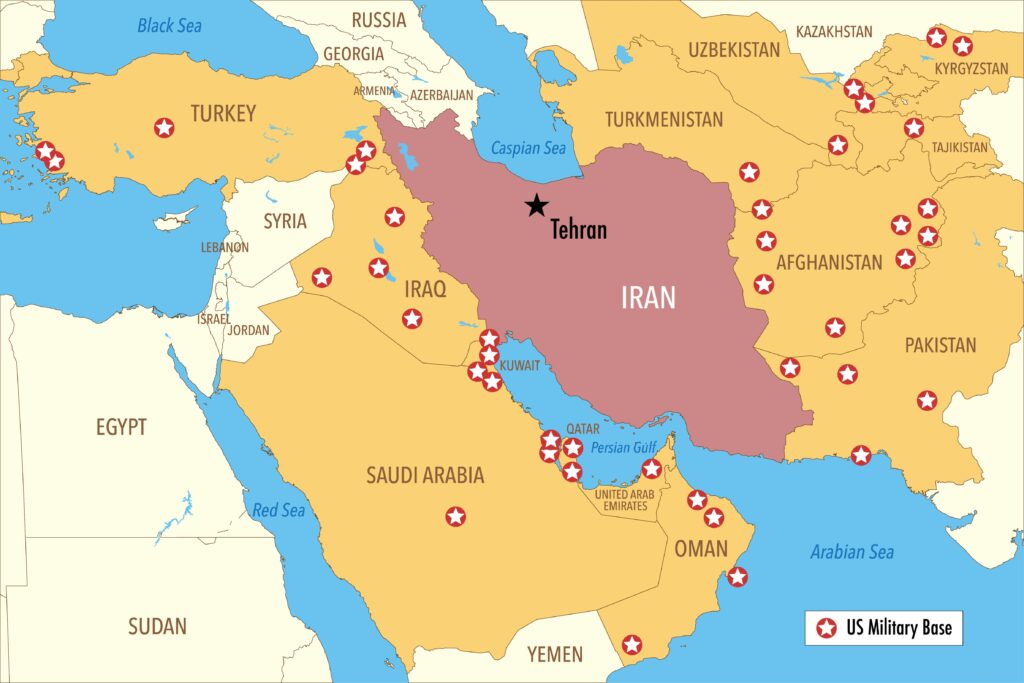
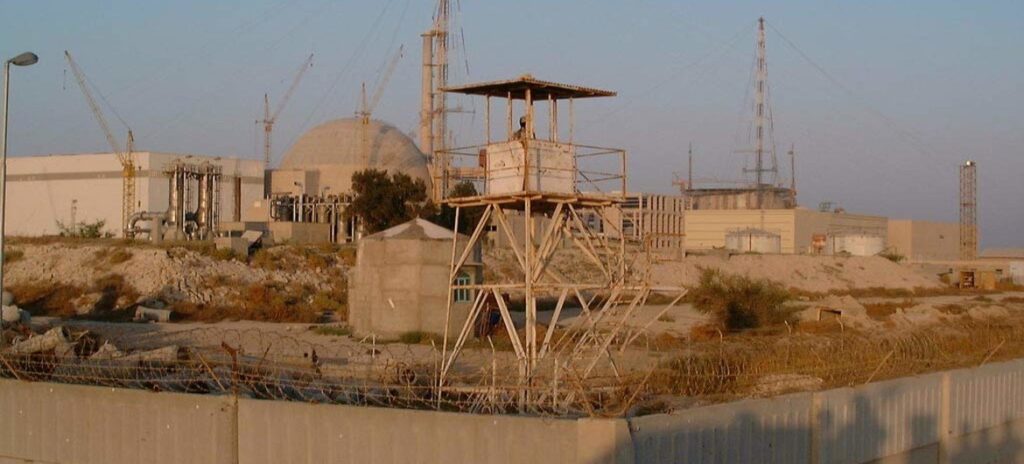
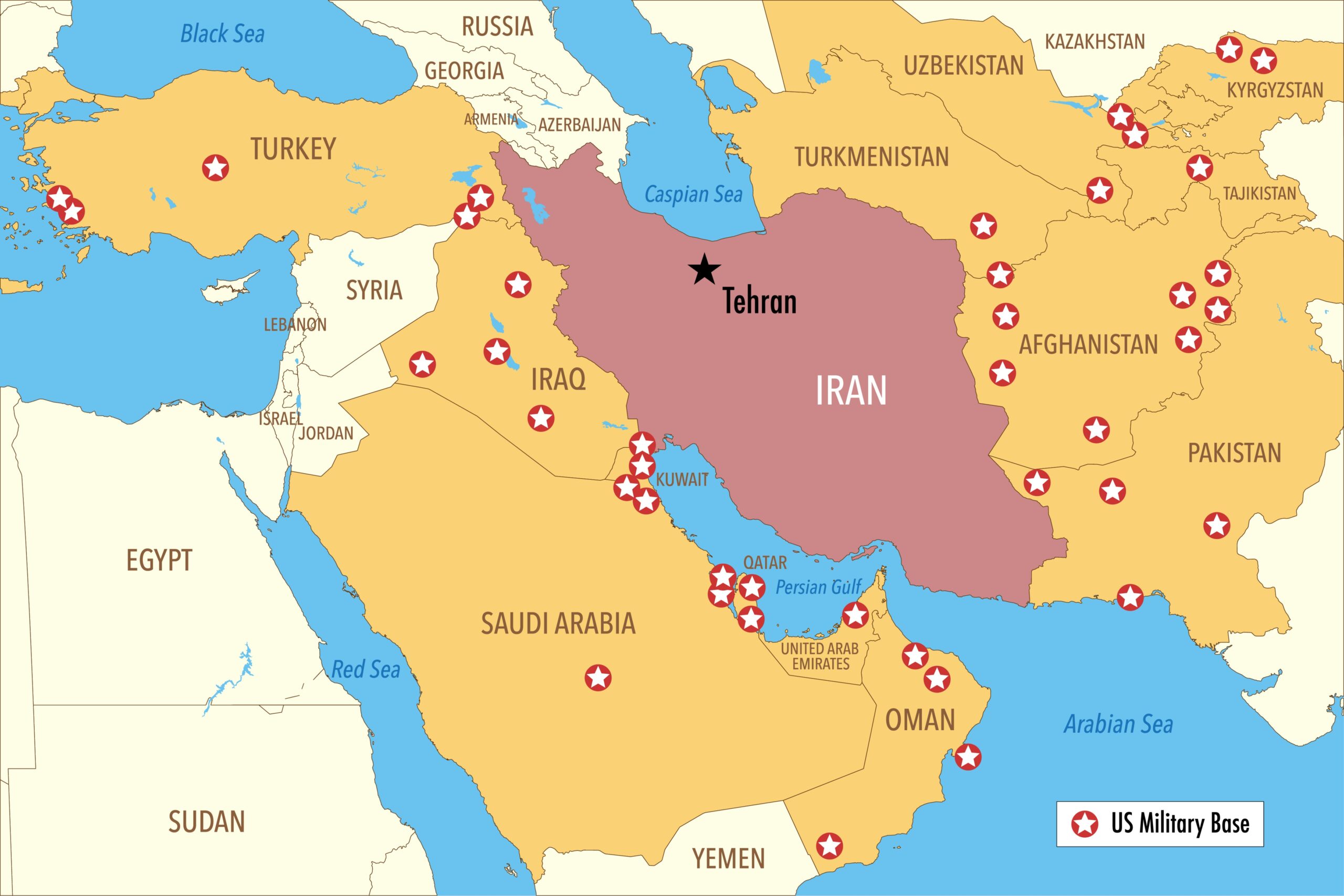
The Iran–USA–Europe confrontation exposes a simple truth: the supposed equality of states exists only on paper, and migration becomes its consequence. In recent days, several major outlets have reported a sharp rise in US military activity in the region. The BBC notes that a US carrier strike group has moved close to Iranian waters, raising fears of a direct clash. Iran faces intense pressure from a nationwide protest movement, while Washington keeps its intentions deliberately unclear—a combination that unsettles the entire region.
Diplomatic efforts intensify as well. The Guardian reports urgent talks in Ankara, where Turkish mediators push Tehran toward concessions to avoid a US strike. Al Jazeera describes Iran raising its military readiness while the United States expands its presence. Reuters adds that Iran signals openness to “fair” talks but refuses to negotiate its missile and defense capabilities. Washington continues its buildup, and President Trump signals willingness to speak. This mix of diplomacy and pressure does not calm the situation. It deepens uncertainty and exposes how fragile the political boundaries are that international law claims to protect.
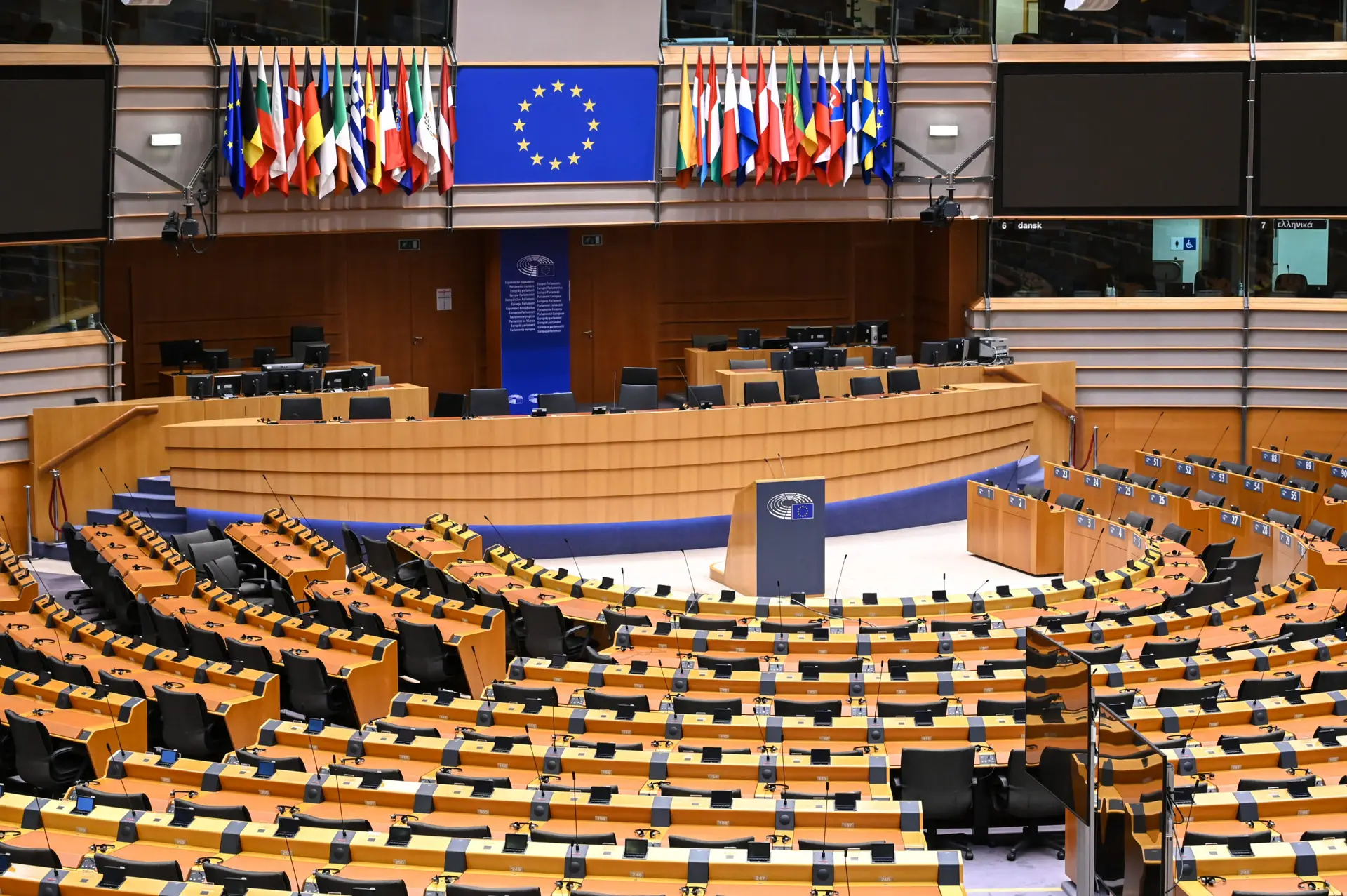
Europe stands between these fronts, yet it also acts within them. Outwardly it presents itself as a mediator; at the same time, it enforces sanctions against Iran, tightens its borders, and watches right‑wing movements turn migration into a political weapon. The EU tries to prevent a war it cannot control—a war whose humanitarian consequences it would inevitably face.
When States Cross the Boundaries They Should Respect
Migration does not begin when people cross borders. It begins when states cross boundaries they should respect. These boundaries are not lines on maps. They are political, economic, and legal limits—the limits that international law claims to uphold. They break every day, and the Iran–USA–Europe conflict makes this visible.
Iran is sovereign only in theory. In practice, other powers shape its economic and political space. The United States holds the leverage to isolate Iran, suffocate its economy, and push millions into poverty. Decisions made in Washington reach deep into Iranian homes, although the people affected have no influence over them. International law insists that states are equal. Reality shows that equality functions as a privilege for a few.
Iran owns vast resources, yet resources do not create wealth. The ability to use them freely does. Iran lost that ability decades ago—through foreign interference, the overthrow of a democratic government, geopolitical isolation, sanctions that block investment, and regional conflicts that force the country into permanent defense. These pressures create economic collapse, fuel radicalization, strengthen repression, and leave ordinary people with no choice but to flee.
Europe as Mediator—and as Co‑Creator of Instability
Europe presents itself as a diplomatic power, a mediator, and a voice of de‑escalation. Yet this image hides half the truth. Europe depends on the United States for security, relies on global markets for stability, and lacks military autonomy. It tries to stabilize a system it does not control—and it reinforces that system when it enforces sanctions and aligns with broader geopolitical pressure.
Europe has not always acted as a mediator. The refugee movements of 2015 and 2016 resulted from geopolitical decisions by major powers—the United States, Russia, regional actors such as Iran, Saudi Arabia, and Turkey, and European states themselves—which contributed to instability through interventions, arms exports, and political influence. Migration did not cause the crisis. Migration revealed it.
The current conflict repeats the same structure. Powerful states cross invisible boundaries when they exert economic pressure, manipulate political systems, threaten militarily, or dominate technologically. Weaker states lose sovereignty because they cannot resist these forces. People lose safety because they stand between competing interests. Europe responds not to causes but to symptoms—with border controls, asylum restrictions, and political fortification
The Truth Behind the Lie
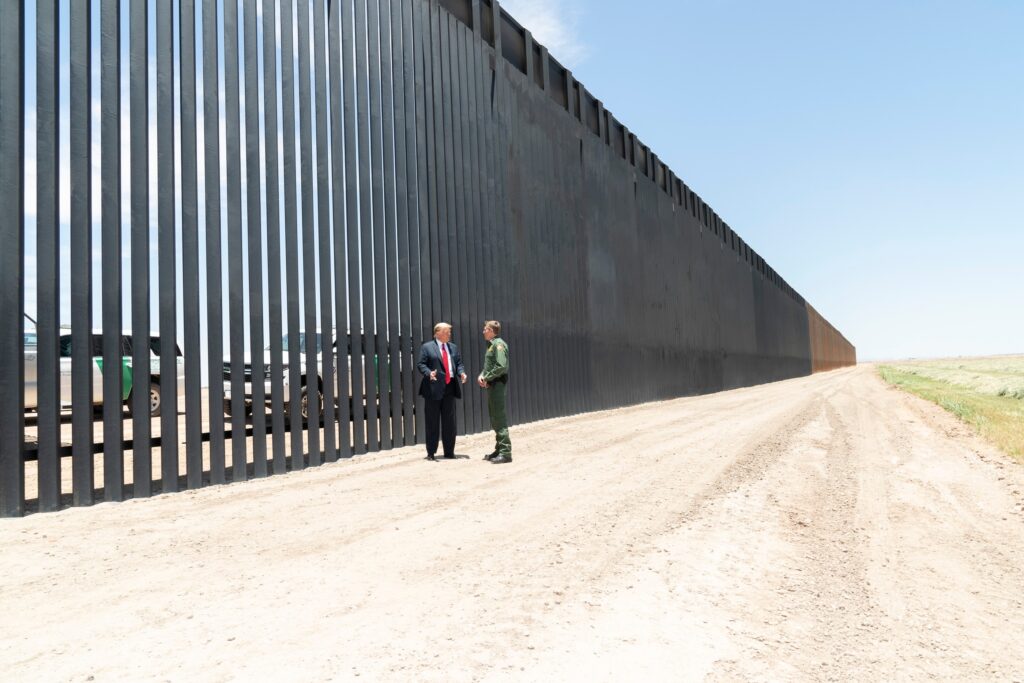
Visible borders—fences, walls, visas, checkpoints—harden only when the powerless cross them. Invisible borders—those of fairness, sovereignty, and international law—remain open when the powerful violate them. This contradiction forms the core lie of the world order. It claims equality while producing inequality. It promises protection while generating vulnerability. It speaks the language of law while operating through power.
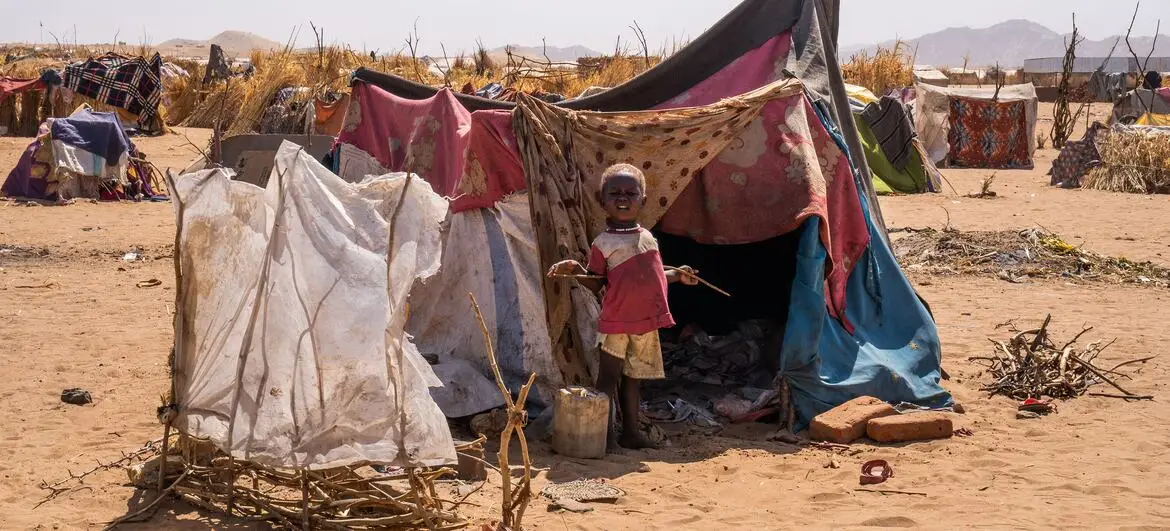
Migration does not represent a failure of people. It represents a failure of the system. People flee wars they did not start, sanctions they cannot influence, and economic collapses triggered by decisions made far from their lives. And when they arrive, they become strangers in a world that helped dismantle their home.
The Iran–USA–Europe conflict is not a regional dispute. It is a mirror of the world order. It exposes the illusion of equality among states, the emptiness of international law, and the structural forces that turn migration into a global consequence. As long as this lie persists, migration will not stop. The causes lie not with the people who flee but with the structures that push them out.