How Rituals Conceal — and Why Visibility Is the Beginning of Justice.
The Comfort of Rituals
The turn of the year is one of those moments in which the world pretends to be whole. People wish for peace as if peace could be summoned by desire alone, and rituals, traditions, as well as the closeness of family and friends create, for a fleeting instant, the illusion that the world might smooth itself out—a moment that allows us to believe that peace is possible.
People forgive one another, families draw closer, and for a short while hope seems stronger than reality. Yet this calm is fragile. When the war in Ukraine began, barely two months had passed since our New Year’s wishes and the first shock to Europe, and today that war has been raging for nearly four years.
Since then, another war has been added: the Gaza War, now in its third year. Once again, Europe finds itself facing the fear of being drawn into a wider conflict, while Germany debates rearmament, military strength, and deterrence, as if these were the only means by which security could be created.
Hope as Emotion – Injustice as Mechanism
Hope is an inner reflex that protects us when the world becomes too heavy. Injustice, however, is not a feeling. It is a mechanism, an external and structural process that continues to operate unless it is disrupted, named, or made visible. Such mechanisms do not dissolve through emotion; they dissolve through recognition, through observation, and through the act of making them visible.
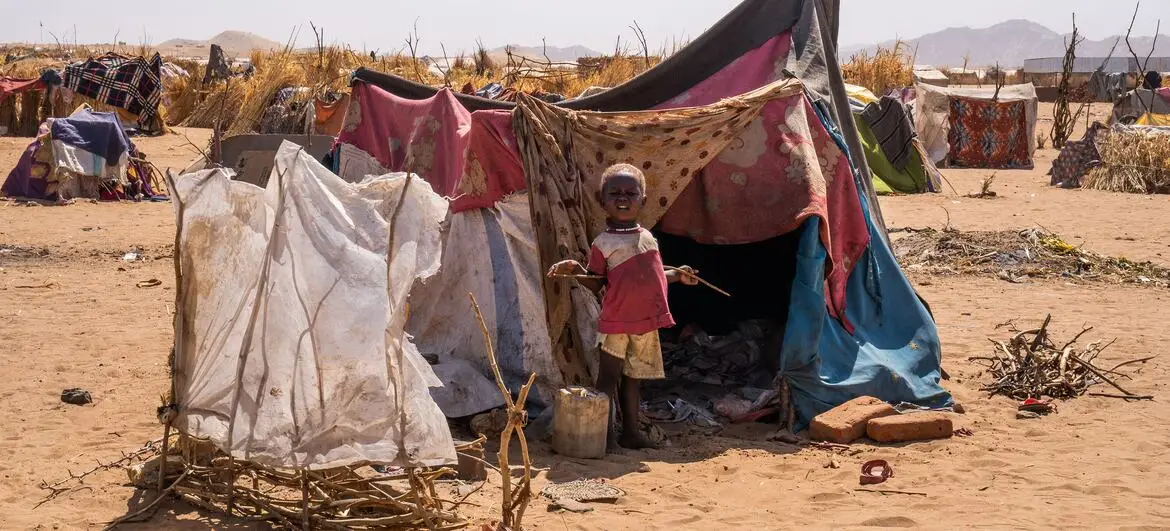
Yet many people who experience injustice directly, daily, and in existential ways have long lost hope. Others live in stable and prosperous countries and feel secure because they have built wealth, until war threatens and that wealth suddenly reveals its fragility.
Prosperity Rarely Emerges Neutrally
Historians and economists remind us that prosperity does not arise in a vacuum. It is the product of relationships between states, relationships that have rarely been equal. Without global inequality, European prosperity would not have expanded with such speed or on such a scale.
Colonialism, resource extraction, unequal trade agreements, spheres of political influence, international credit structures, military power relations, and technological monopolies strengthened some nations while systematically weakening others. Injustice is not an accident; it is architecture.
When Practice Betrays Theory
A world without structural injustice would face only interpersonal conflicts, and that is precisely why justice systems exist. But justice that does not act is not justice. Corruption that is not named is not a marginal issue but a symptom, and a democracy whose practice diverges from its own theory is not a democracy but an imitation of one.
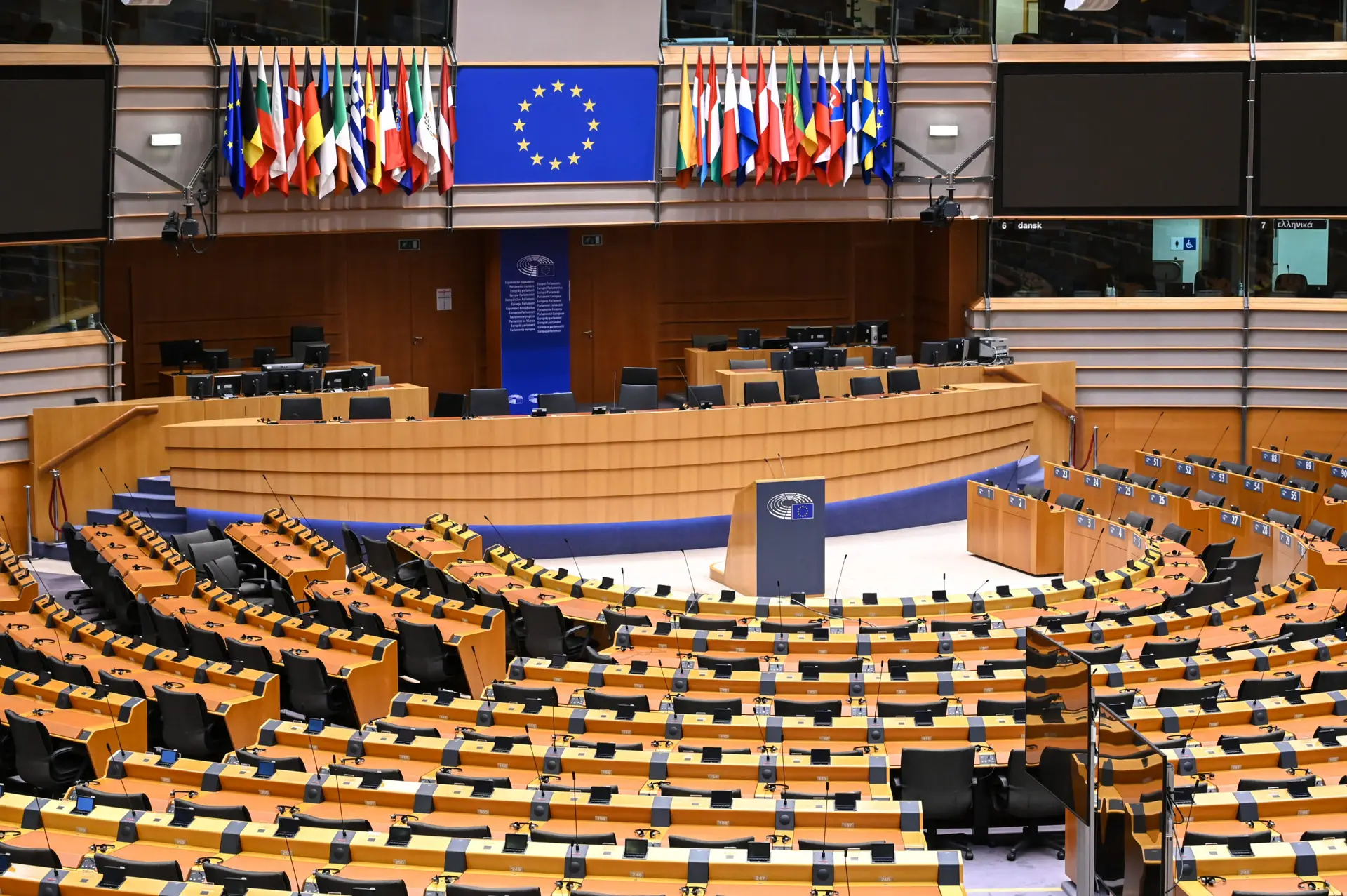
The rule of law is the backbone of democracy, not elections alone and not the mere existence of multiple parties. The true danger to democracies is not the external enemy; it is the quiet hollowing out from within, the façade that remains standing while everything behind it decays. A strong democracy has nothing to fear. It inspires even those who live under dictatorships and still hold on to the hope of change.
Invisibility as an Instrument of Power
As long as injustice remains invisible, power remains untouchable; as long as it is not documented, it remains undeniable; and as long as it is not made public, it remains unstoppable. The world has grown accustomed to treating injustice as a natural condition, something to be accepted because it appears unchangeable and any attempt at change seems like an illusion. Yet it is precisely in this habituation that its deepest danger lies.
Systemic injustice is rarely spectacular. It is quiet, it is ordinary, and it survives not through violence but through habituation. It is not hidden; it is accepted. And over time, it no longer appears as wrongdoing but as order.
Visibility as Action
Hope without action is self‑deception; hope without visibility is stagnation; and hope without documentation is complicity. Those who seek change must first see and make visible, for only what is visible can be witnessed, and only what is witnessed has the power to shake the world out of its habituation.
A better world does not emerge from the hope that it will change on its own, but from the decision to name reality, to document it, and to make it public. Visibility is not a gesture but an intervention, a deliberate disruption of the mechanisms that produce and sustain injustice. Every publication, every document, and every dossier is a step out of powerlessness and into self‑empowerment; change begins not with the desire for justice but with the refusal to keep injustice concealed.
A New Year Begins Not With Hope—but With Action
This is how the new year begins, as The Injustice Chronicle understands it: not hoping but acting.