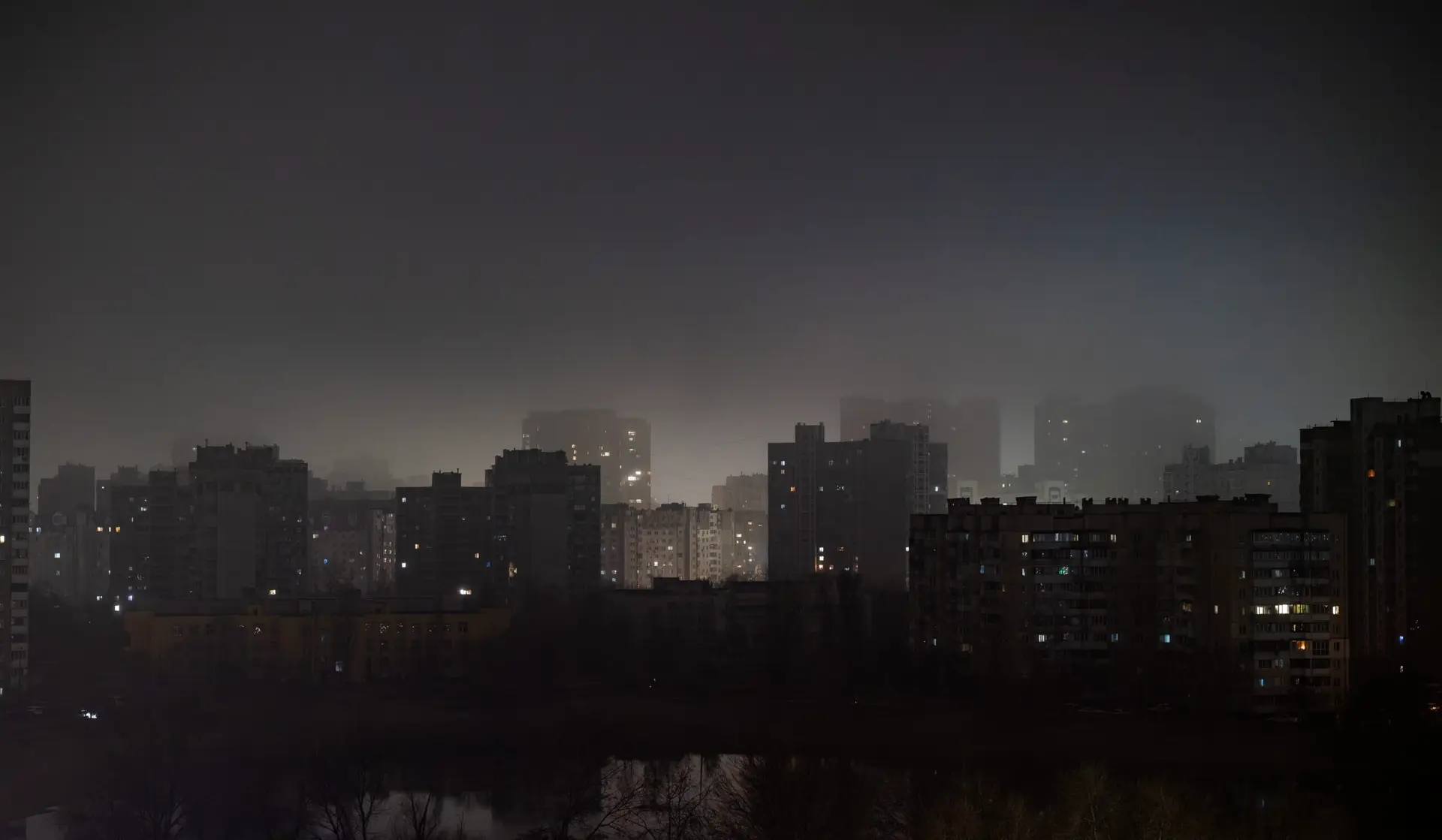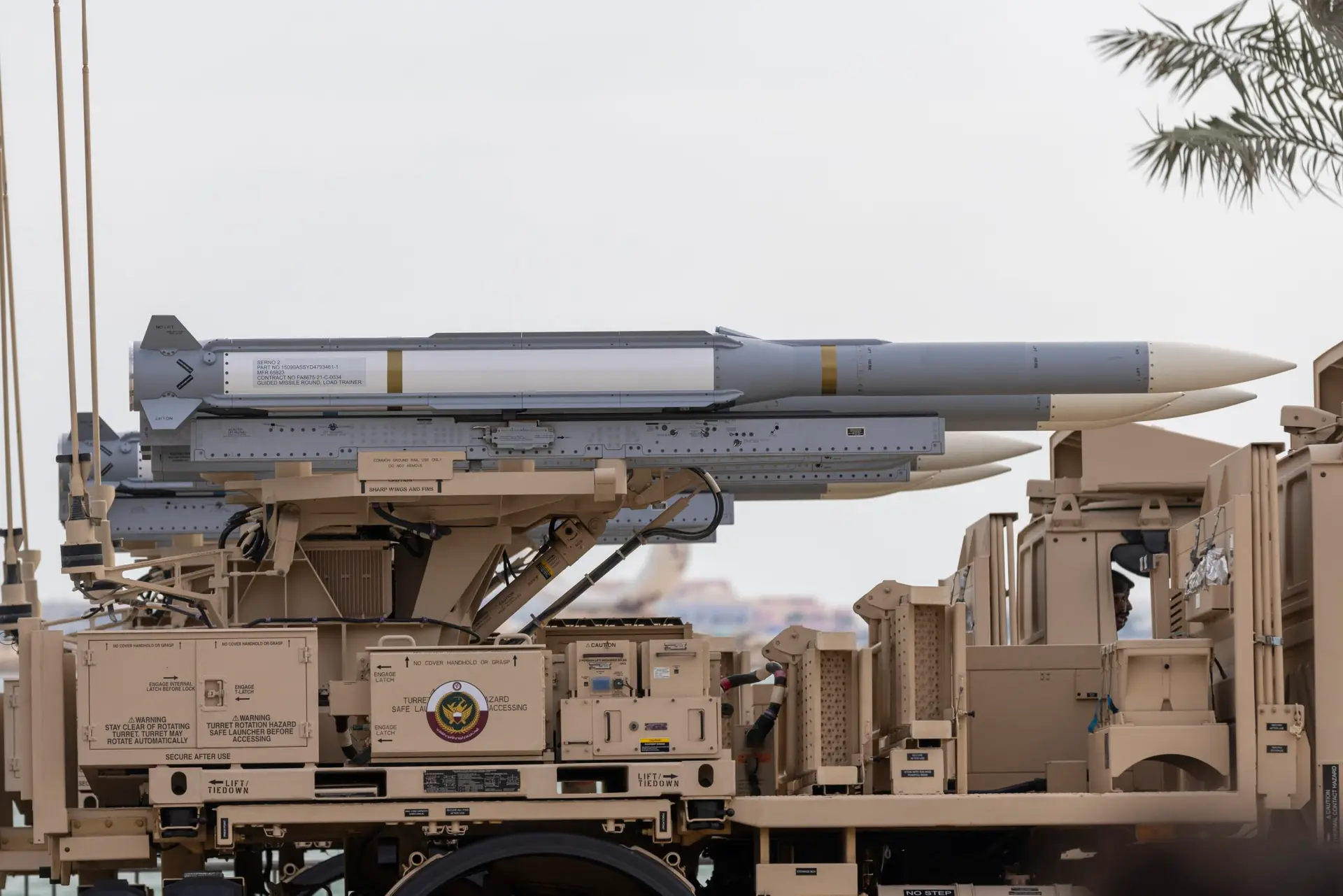
While the United States wages war on Iran, Washington is considering sending fewer air-defense systems to Ukraine – precisely as Russia steps up its missile and drone strikes on Ukrainian cities. The Washington Post and other outlets report that the Pentagon is examining plans to divert interceptor missiles and other systems originally intended or pledged for Kyiv in order to protect US forces and partners in the Gulf. EU foreign-policy chief Kaja Kallas has publicly warned that air-defense capacities urgently needed by Ukraine must not “slip away” as the Middle East war escalates, stressing that the same Patriot batteries cannot be in two places at once. For Kyiv, this means its survival is once again exposed to the shifting priorities of the very powers that once offered “security assurances” as a substitute for its own nuclear deterrent. For Tehran, it is a stark warning not to dismantle its own deterrent on the basis of promises from those same capitals.
Budapest 1994: security on paper
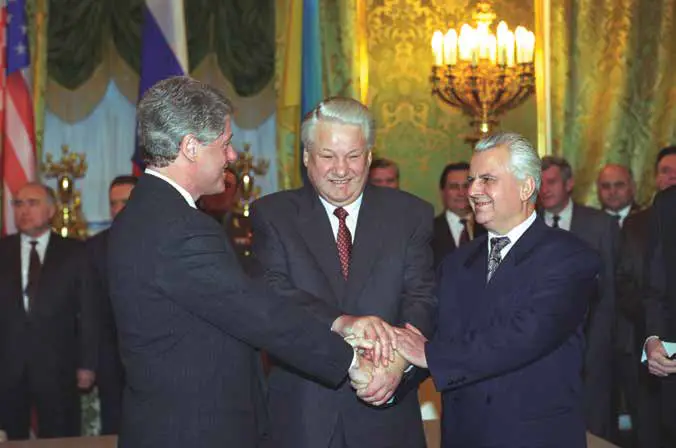
In 1994, Ukraine agreed to transfer the world’s third‑largest nuclear arsenal to Russia for dismantlement and to join the Nuclear Non‑Proliferation Treaty as a non‑nuclear‑weapon state. In return, the United States, Russia and the United Kingdom signed the Budapest Memorandum, declaring that they would respect Ukraine’s sovereignty and existing borders and refrain from the use of force or economic coercion. When Russia annexed Crimea in 2014 and later launched its full‑scale invasion, it tore up that promise in full view of the world – and neither Washington nor London restored Ukraine’s territorial integrity. The “assurances” turned out to be a political formula without enforceable guarantees: a demonstration of how cheap security becomes when it exists only in communiqués and not in capabilities.
Iran, too, is a party to the Nuclear Non-Proliferation Treaty, but with a nominally civilian nuclear program that has long been contested over enrichment levels, inspections and possible military dimensions. The crucial difference is that Ukraine once possessed real nuclear warheads and gave them up, whereas Iran officially has no nuclear arsenal – yet is being pushed to further constrain its options in a system where security assurances have already failed spectacularly once.
Geneva 2026: territory for “peace”
Three decades later, the self‑proclaimed guarantor of this order is struggling to defend its own narrative. The United States did not prevent Russia from dismembering Ukraine – and it is neither willing nor, in some respects, able to ensure stable flows of air‑defense systems that could shield Ukrainian cities from Russian missiles. Instead, the Middle East war is already squeezing those stocks. Reporting from Washington and European capitals suggests that interceptor missiles and other systems earmarked for Ukraine are under review for possible redirection or reprioritization for the Iran theater. In Geneva, where US, Russian and Ukrainian officials have held talks this year, the discussion has shifted from restoring Ukraine’s pre‑2014 borders to what diplomats call “realistic” territorial arrangements – in plain language, how much land Ukraine might ultimately have to cede to the aggressor for the conflict to be declared “resolved”. For Kyiv, the sequence is devastatingly clear: first surrender nuclear weapons, then watch the security assurances be broken, and finally negotiate gradual capitulation under pressure from the very partners who control your access to air defense.
Iran war: no safety for civilians
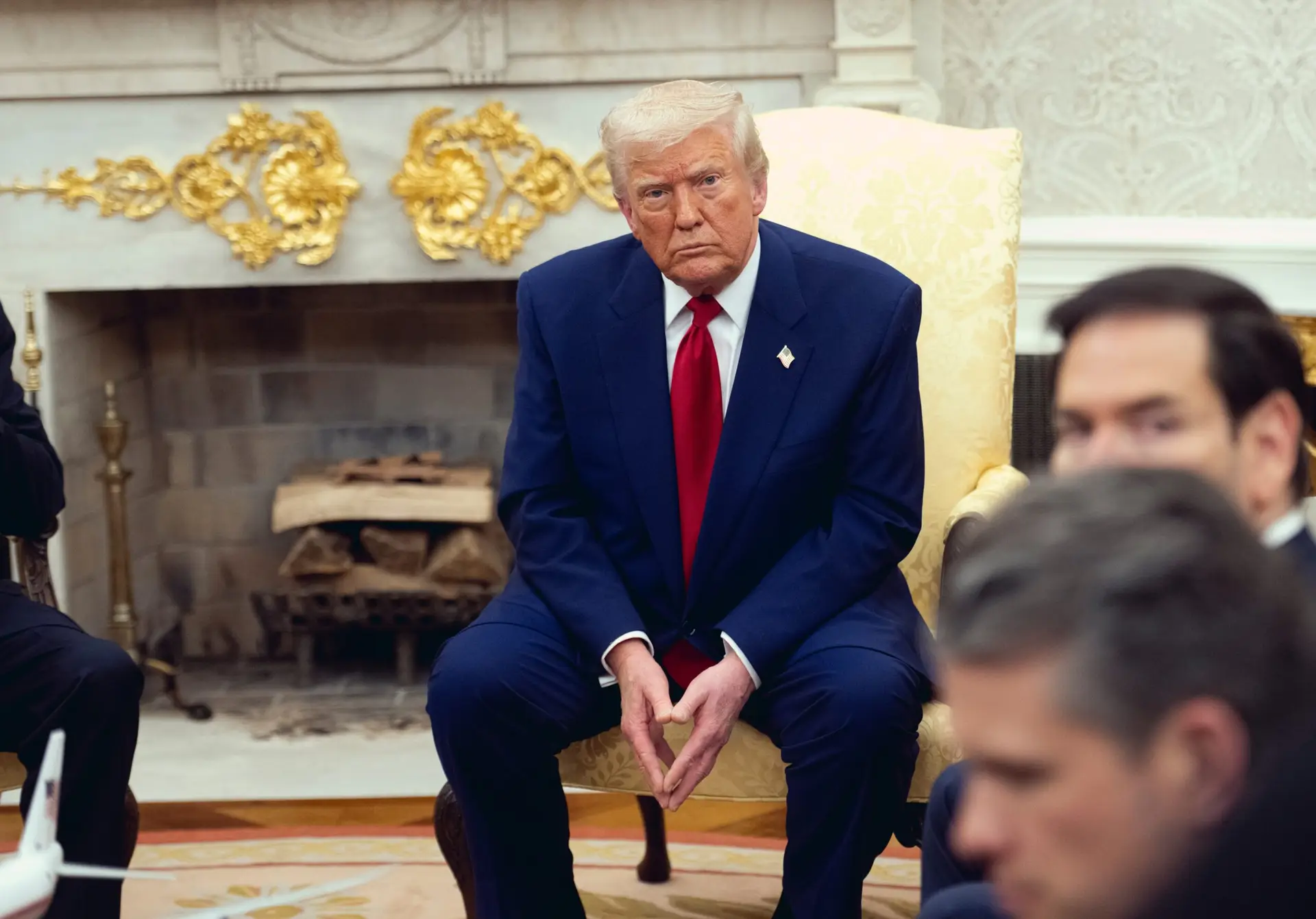
Trump has claimed that Iran is “begging to make a deal” and has even described a small number of tankers allowed through the Strait of Hormuz as a “present” from Tehran – all while warning that he will “just keep bombing” if his terms are not accepted. As one adviser put it, Trump “has one hand open for a deal and the other is a fist, waiting to punch you in the face” – an image that, from Tehran’s perspective, makes the current military buildup look less like an off‑ramp and more like leverage for further strikes.
The Iran war itself is becoming a grim live demonstration of what “security” means when it is defined by veto powers. Israel says it has killed the commander of Iran’s Islamic Revolutionary Guard Corps navy, a key figure behind the near‑total blockade of the Strait of Hormuz. Oil flows through the world’s most critical chokepoint have plunged, and global energy prices are rising as markets price in prolonged disruption. Inside Iran, Israeli and US strikes are hitting cities and critical infrastructure, killing civilians and children in the name of deterrence and “restoring stability”. While Washington promotes its 15‑point proposal as a path to de‑escalation, Trump publicly frames the war as something he can escalate at will unless Tehran convinces him otherwise – a form of leverage that looks less like diplomacy and more like open coercion. No wonder Iranian media speak of “complete doubt” that the United States is serious about any deal beyond temporary battlefield advantage.
Blackmail instead of guarantees – why Tehran says no
On the ground and at sea, that logic is reinforced through targeted killings and floated invasion scenarios. By eliminating the IRGC navy chief behind the Hormuz blockade and openly discussing a possible assault on Kharg Island – the hub for most of Iran’s oil exports – Israel and the United States signal that they are prepared to raise the stakes further even as they speak of “off‑ramps”. Military analysts question whether even seizing Kharg would give Washington enough leverage to force Iran to reopen Hormuz; it would certainly deepen civilian suffering and global economic shock.
From Tehran’s perspective, Ukraine’s experience compresses all of this into one brutal lesson. A non‑nuclear state is asked to dismantle its deterrent, sign on to paper assurances, and then trust that distant powers will still honor their promises when their own arsenals are strained by a second war and their political priorities shift. In that light, Iran’s rejection of Washington’s 15‑point plan is not simply a hardliner reflex. It is a judgment on a security model that asks some states to live permanently disarmed under guarantees that even Europe’s largest country could not collect when tanks crossed its borders. Saying no, for Tehran, is less a refusal of peace than a refusal to repeat Ukraine’s mistake.
As long as veto powers treat security as a privilege for themselves and a live experiment for everyone else, Iran’s mistrust is not a pathology of “aggressors” – it is a verdict on an order that preaches equality yet never practises it.